

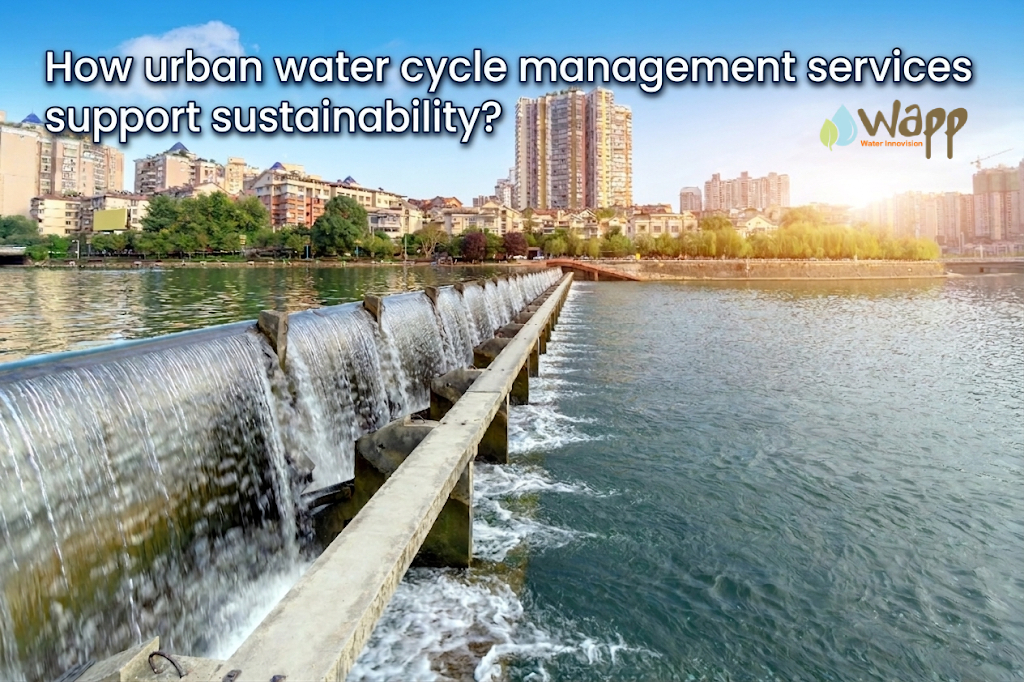
This article explores how improved urban water cycle management services help cities reuse wastewater, manage stormwater, and conserve resources. Read it now.
Urban areas put huge pressure on water resources and system infrastructure. Therefore, effective urban water cycle management services are mandatory for sustainable cities. These services support wastewater treatment and conservation. As a result, cities can minimize huge water wastage and pollution. Also, improved water cycle management can strengthen urban sustainability and water security in the long term.
How to Boost Urban Sustainability with Smart Water Cycle Management Services?
The core smart water cycle management services that are responsible for boosting urban sustainability are explained as follows.
1. Green Roof and River Restoration
Green roofs help cities to manage stormwater to minimize surface runoff. They act as natural sponges, helping in natural water absorption and supporting groundwater recharge. Meanwhile, restoration of river water improves natural water flow and filtration. Consequently, these solutions improve water conservation. The deviated pressure from groundwater to multiple sources helps in maintaining a proper water table in the urban areas. As a result, these solutions improve urban water sustainability through efficient water cycle management.
2. Wastewater Reuse
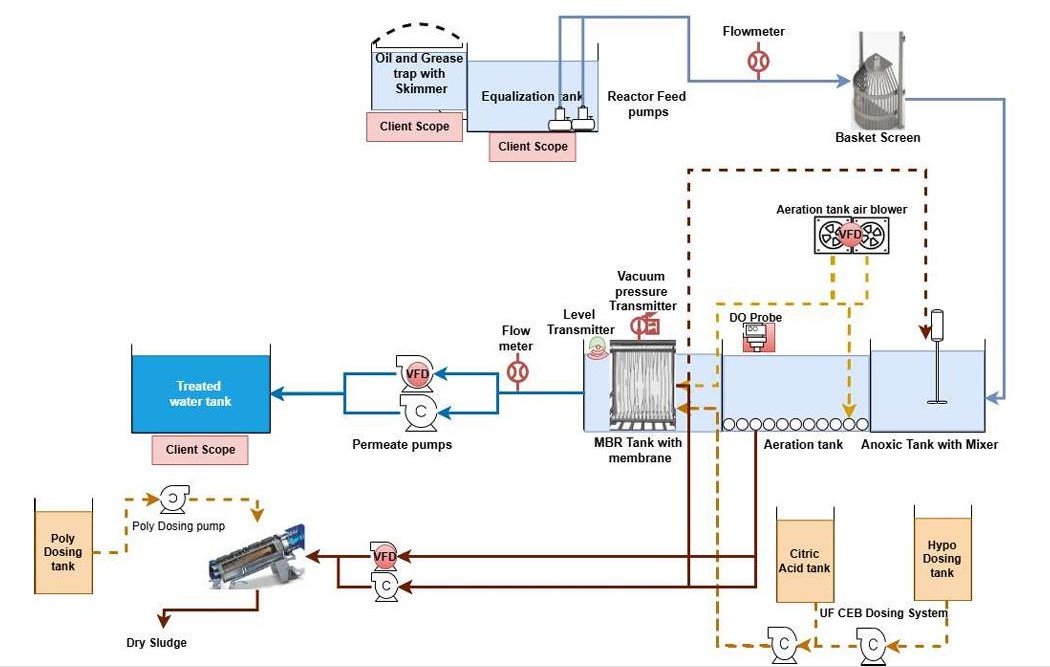
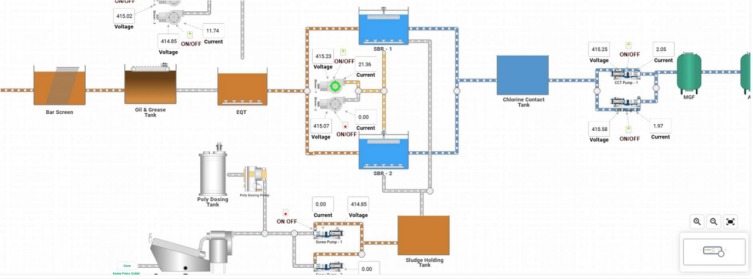
Wastewater reuse is a key circular water practice useful for urban water management during extreme pressure or shortages. For example, treated wastewater used in irrigation can be supplied to more non-potable uses, saving urban areas from drought periods. As a result, waste water compliance and environmental solutions are mandatory for promoting urban water sustainability in the long run.
3. Rainwater Harvesting Systems
The implementation of rainwater harvesting systems in urban areas helps capture and store rainwater for later purposes. For instance, the implementation of underground and offline storage tanks improves water storage capacity. Moreover, smart controls regulate the collection and distribution of rainwater effectively. Therefore, rainwater harvesting systems minimize the dependency on the municipality’s water supply, supporting smarter urban water cycle management.
Conclusion
Improved water cycle management services strengthen urban sustainability and water security. Water resources are also conserved through strategic practices such as rainwater harvesting, treated water re-use, and green roofs. Such solutions assist cities to reduce unnecessary water stress and pollution at the same time. Collaborate with Wapp (Enhanced WAPP Systems (I) Pvt Ltd.) to achieve appropriate waste water compliance and environmental solutions and sustainability in the city.
FAQs
1. Are urban water cycle management services suitable for all cities?
Absolutely, urban water cycle management services are suitable for all cities’ climates and infrastructure. Wapp provides custom solutions as per urban areas’ sustainability compliance and resource management.
2. How do governments support urban sustainability initiatives?
The government supports urban sustainability through these project sanctioning, funding, and infrastructure development.
3. How does water cycle management impact energy usage?
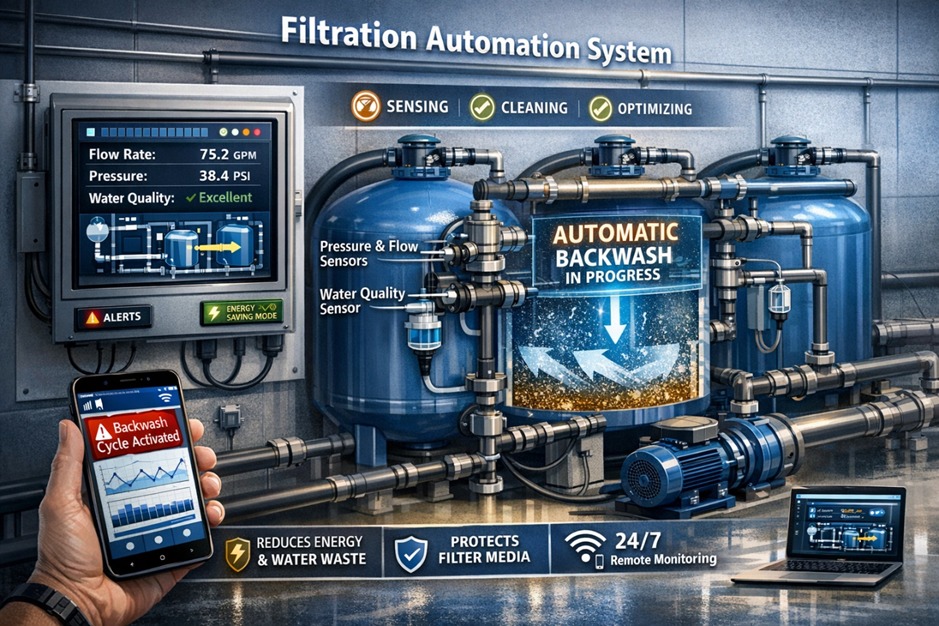
With proper optimization of water treatment, pumping, and reuse, water cycle management can significantly minimize energy use.