
Learn what a complete water treatment strategy should include, from wastewater treatment solutions and recycling to IoT systems, ZLD, and reliable O&M services.
A water treatment strategy should address more than the treatment plant itself. It should connect water quality, wastewater handling, reuse, technology, maintenance, and future operational requirements.
For industries, commercial facilities, and large developments, this approach helps create a treatment framework that fits actual site conditions rather than relying on a one-size-fits-all model.
Begin With the Facility’s Water Profile
The first step is understanding where water enters, where it is consumed, and where wastewater is generated.
A proper assessment can examine:
- Freshwater consumption points
- Wastewater generation sources
- Variations in flow and pollutant load
- Existing treatment capacity
- Potential treated-water reuse
- Future expansion requirements
This information gives a water treatment company India a stronger basis for recommending suitable solutions.
Match Treatment to Wastewater Characteristics
Different wastewater streams require different treatment approaches. Industrial effluent may need a different process from domestic sewage or process-specific wastewater.
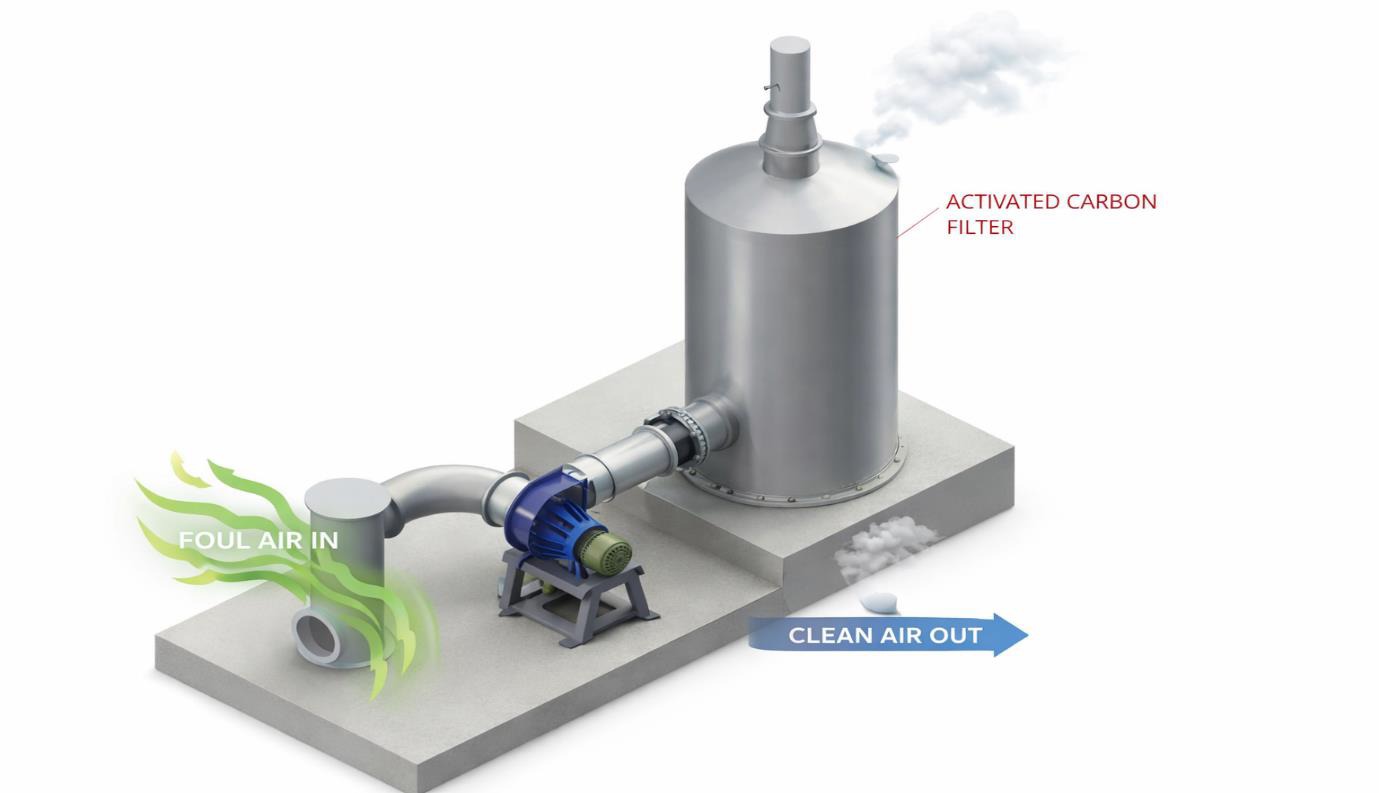
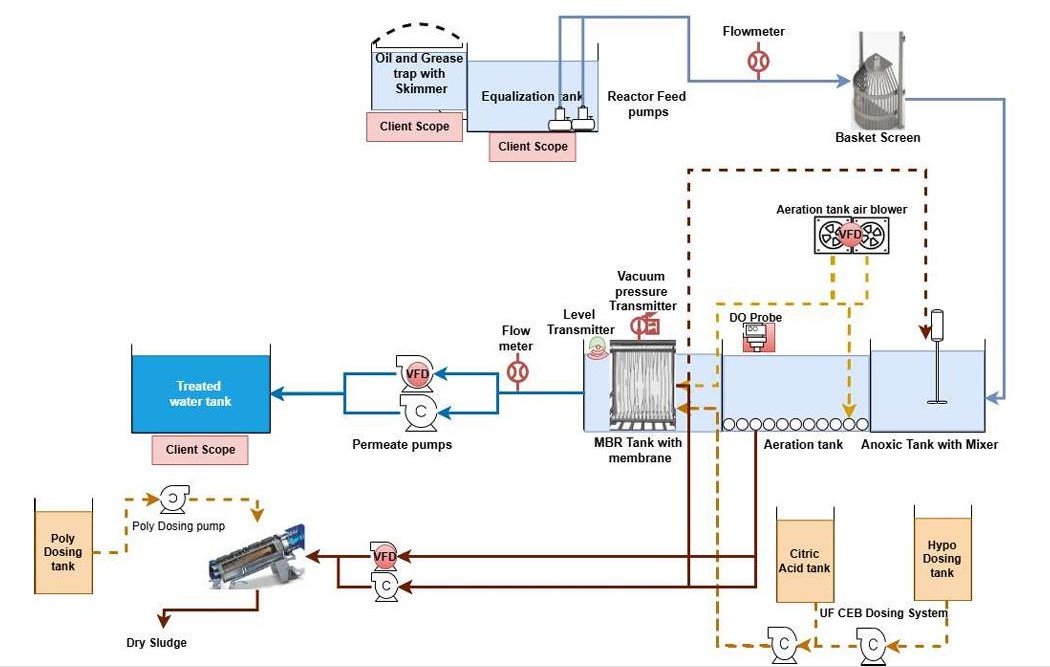
Reliable wastewater treatment solutions should therefore consider the actual composition, flow, treatment objectives, and intended final use. For industrial facilities, experienced effluent treatment providers can help determine appropriate treatment stages while keeping operational practicality in focus.
Consider Reuse as Part of the Plan
Water treatment planning should also examine what happens after treatment. Waste water recycling technology can help facilities identify suitable applications for treated water, such as selected utility or process requirements. Reuse planning can reduce dependence on fresh water where site conditions make it technically suitable.
For facilities pursuing very high water recovery, zero liquid discharge solutions may also be considered after evaluating energy use, residual streams, operating complexity, and overall feasibility.
Build Technology Around Useful Information
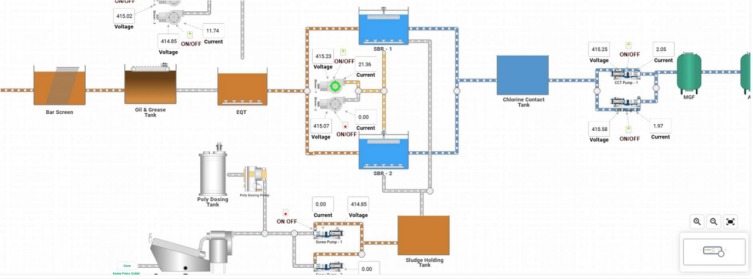
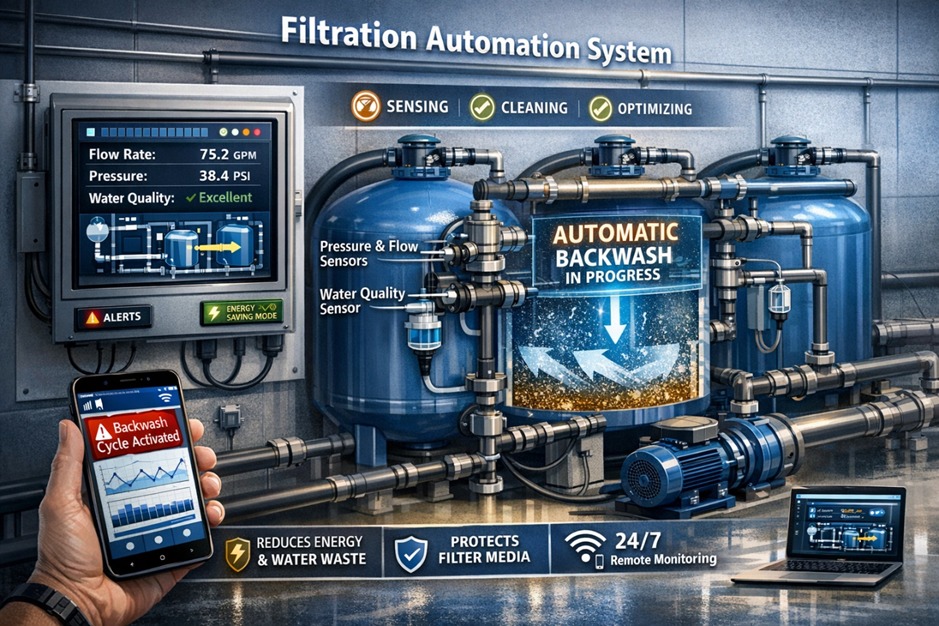
Digital tools can strengthen treatment operations when they provide information that operators can actually use. IoT water management systems can connect selected plant parameters and support better visibility into operating conditions. Meanwhile, smart water management technology can help teams organize and interpret operational information. The goal is not simply to add automation. Technology should make plant decisions clearer and more timely.
Don’t Separate Treatment From Maintenance
A treatment strategy also needs a defined operational framework. Water treatment plant operation & maintenance should cover routine inspections, equipment servicing, process checks, consumable management, documentation, and issue escalation.
Similarly, sewage treatment plant services should be planned according to the facility’s operating conditions and treatment objectives.
What Does a Complete Water Treatment Strategy Cover?
A complete strategy covers water assessment, wastewater treatment, recycling opportunities, technology requirements, sewage management, ZLD feasibility, and ongoing operation and maintenance.
Why This Approach Matters
When these elements are planned together, facility teams can make more informed decisions about treatment capacity, reuse, technology, and service requirements.
Enhanced Wapp Systems India Pvt. Ltd. supports integrated water and wastewater management approaches designed around facility-specific treatment and operational needs. Need to evaluate your facility’s water treatment requirements? Connect with a water treatment specialist for a tailored assessment.