




Total water management services include techniques like water circularity, ZLD, and demand-side management for complete industrial growth. Read to know more.
Total water management services focus on sustainable water usage. Thus, it supports industrial growth with adequate conservation of non-renewable resources. Furthermore, total water management services maintain cost efficiency and regulatory compliance. In addition to this, the services also focus on reducing production downtime risks and fostering responsible water management.
Total Water Management Services: A Guide for Industrial Growth
Here’s how total water management services work for industrial growth.
1. Water Circularity
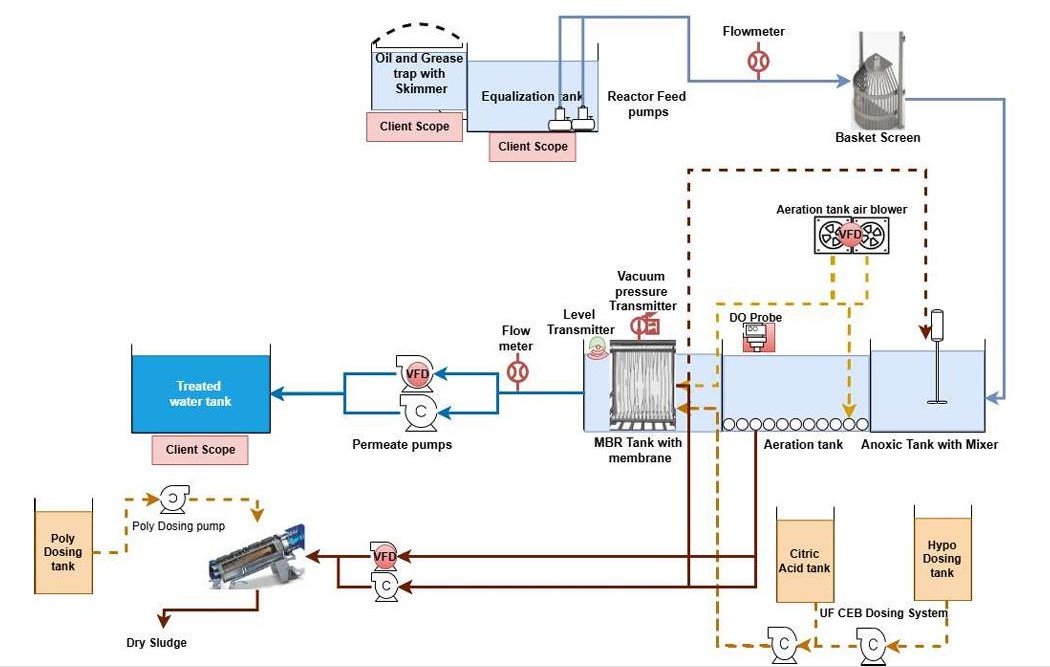
The water circularity process involves reusing and recycling water to minimise wastage. In addition, it reduces the cost of operation and is also efficient in saving freshwater. Therefore, this water conservation approach fosters sustainable, continuous industrial production and improves brand reputation.
2. Zero Liquid Discharge with Sustainable Technology
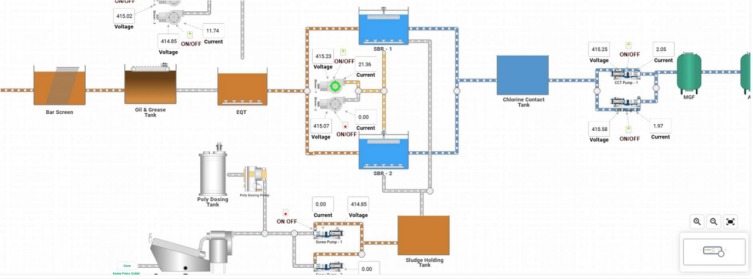
Alongside water circularity, zero liquid discharge ensures no wastewater is discharged to the outer environment. This process involves advanced recycling and reusing technology for processing the polluted water. Thus, it minimizes water pollution, reduces effluent disposal expenses, and improves ecologically sustainable operations. Therefore, the adoption of zero liquid discharge helps industries to meet international sustainability standards.
3. Demand-Side Management
Next is demand side management that identifies high water usage areas and implements conservation methods for preventing wastage. This service leverages industrial growth through coherent improvement of economic value. Besides, frequent supervision and limiting excessive water consumption control water usage and industrial expenses.
4. Rainwater Harvesting
It is one of the most convenient yet efficient techniques that facilitates total water management. This technique supplements the industrial water supply, thus limiting sole reliance on traditional water resources. Through this method, rainwater can be collected, stored, treated, and reused in multiple ways. Thus, it can help in replenishing groundwater and support sustainability initiatives in the long run.
5. Source Diversification
Source diversification ensures industries secure different water sources to continue operations without interruption. Therefore, it minimises companies’ sole dependency on a singular supply and mitigates risks during shortages or any legal restrictions. Consequently, this strategy improves operational continuity and sustainable industrial development.
Conclusion
In a nutshell, total water management services help in maintaining an industry’s sustainability. Therefore, implementation of water circularity, zero liquid discharge, demand-side management, rainwater harvesting, and source diversification improves efficiency and maintains legal compliance in industrial growth. If you are looking for an expert water treatment company India, contact Wappsys for comprehensive solutions.
FAQs
1. How do total water management services support industrial growth?
These services help industrial facilities use water more efficiently, which results in lower operational costs and ensures they meet environmental standards while boosting their corporate image. So, to boost your operational efficiency and maintain sustainability in your organisation, rely on Wapp’s expert water management solutions.
2. Can total water management help industries meet environmental regulations?
Yes, holistic total water management services can help organisations to meet changing, strict environmental regulations.
3. Which industries benefit the most from total water management services?
There are multiple industries that benefit from the total water management services, including agriculture, energy, food and beverage, healthcare, electronics, textile, oil and gas, and mining sectors. Contact Enhanced WAPP Systems (I) Pvt Ltd. today!