


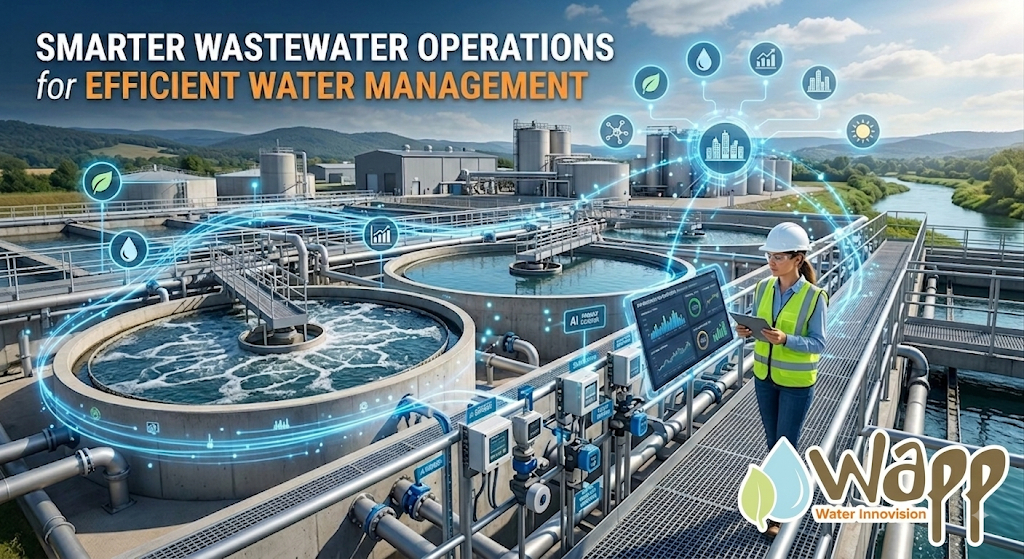
Learn when wastewater systems need upgrades, how STP maintenance improves efficiency, and where water recycling can reduce resource use. Get a tailored solution.
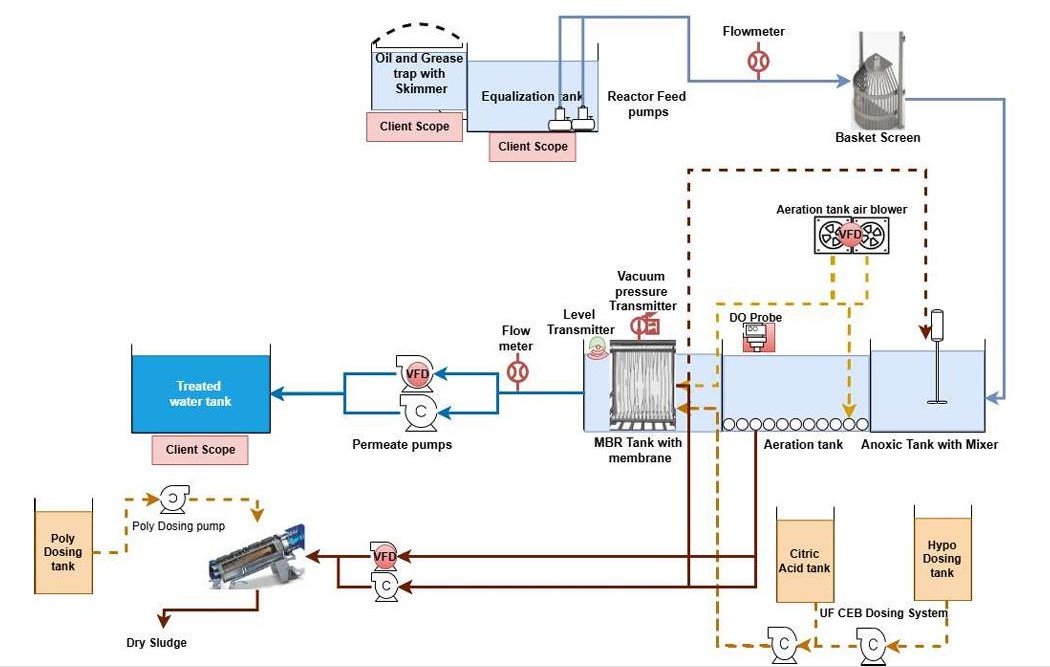
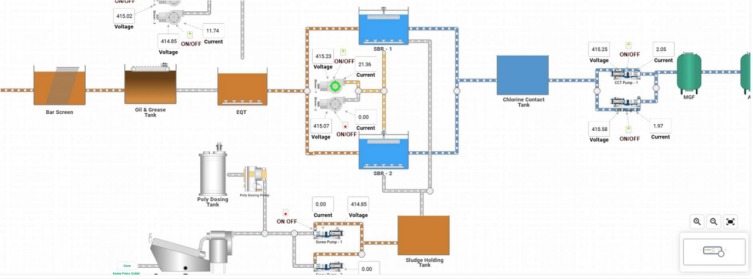
A wastewater treatment plant can continue operating for years, but age alone does not determine whether the system remains efficient. Changes in wastewater volume, operating costs, equipment performance, compliance requirements, and water reuse goals can all indicate the need for an operational review.
For commercial and industrial facilities, timely improvements can prevent recurring failures and support better resource utilization. Instead of replacing an entire plant unnecessarily, businesses can first evaluate treatment performance and identify areas where optimization, modernization, or better maintenance can deliver measurable improvements.
5 Signs Your Treatment System Needs Attention
1. Treatment Performance Becomes Unstable
Frequent fluctuations in treated-water quality may indicate process imbalance, inadequate monitoring, equipment deterioration, or incorrect operating parameters. Professional water treatment services can help identify the underlying causes before performance problems become persistent.
2. Maintenance Becomes Reactive
When pumps, blowers, dosing systems, or other components repeatedly fail, emergency repairs can quickly increase operating expenses. Planned STP operation maintenance services and structured stp maintenance allow facility teams to identify equipment issues earlier and reduce unexpected downtime.
3. Water Consumption Continues to Rise
High freshwater consumption can indicate opportunities for process optimization and reuse. Businesses can assess whether treated wastewater could support suitable non-potable applications. Implementing water recycling alongside efficient water management services can reduce dependence on fresh water and improve overall resource efficiency.
4. The Plant No Longer Matches Current Demand
Facility expansion, increased production, or changes in occupancy can significantly alter wastewater characteristics and flow rates. A technical review of water treatment plant operation & maintenance can determine whether the existing infrastructure requires process optimization, additional equipment, capacity enhancement, or operational changes.
5. Operating Costs Keep Increasing
Rising electricity use, chemical consumption, sludge handling expenses, and repeated equipment repairs can indicate declining treatment efficiency. A structured operation & maintenance services programme can help identify inefficient processes and establish measurable performance targets.
Choosing the Right Treatment Support
Businesses should look beyond equipment supply when selecting a service partner. A capable wastewater treatment company Delhi should understand local operating conditions, treatment requirements, maintenance practices, and regulatory expectations. Comprehensive wastewater treatment also requires consistent monitoring rather than occasional intervention. Professional wastewater management services can coordinate plant operation, preventive maintenance, performance reviews, and improvement planning. Similarly, effective water treatment and sewage treatment require solutions designed around actual influent characteristics and facility requirements.
A Practical Upgrade Decision Framework
Before investing in major modifications, facility managers should review:
- Current treatment performance
- Daily water and wastewater volumes
- Equipment condition
- Energy and chemical consumption
- Maintenance history
- Potential water reuse applications
- Future capacity requirements
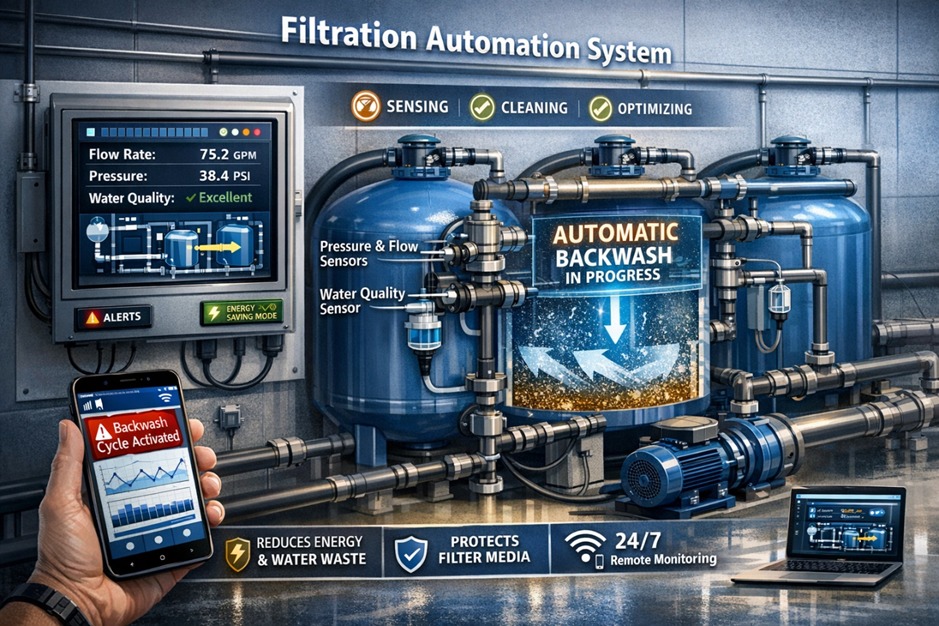
This assessment helps determine whether the right solution involves optimization, refurbishment, automation, capacity expansion, or a completely new treatment approach.
Frequently Asked Questions
- How often should a treatment plant undergo a technical performance review?
Facilities should schedule periodic reviews and conduct additional assessments whenever wastewater characteristics, plant capacity, operating costs, or business activities change significantly.
- Can maintenance improve an older treatment plant?
Yes. Corrective improvements, equipment servicing, process optimization, and better monitoring can improve performance without automatically requiring complete plant replacement.
- What is the difference between wastewater treatment and wastewater management?
Wastewater treatment focuses on removing contaminants, while wastewater management covers the broader planning, operation, monitoring, reuse, maintenance, and disposal strategy.
- Why should businesses consider water recycling?
Water recycling can reduce freshwater demand by allowing suitably treated water to serve approved non-potable applications, subject to applicable requirements.
Conclusion
Treatment infrastructure performs best when businesses monitor its condition instead of waiting for major failures. Regular water treatment plant operation & maintenance, proactive STP maintenance, efficient water management services, and suitable water recycling strategies can improve reliability and resource efficiency.
For organizations requiring technical expertise across treatment operations, maintenance, and water reuse, Enhanced Wapp Systems India Pvt. Ltd. provides integrated solutions tailored to facility requirements.