


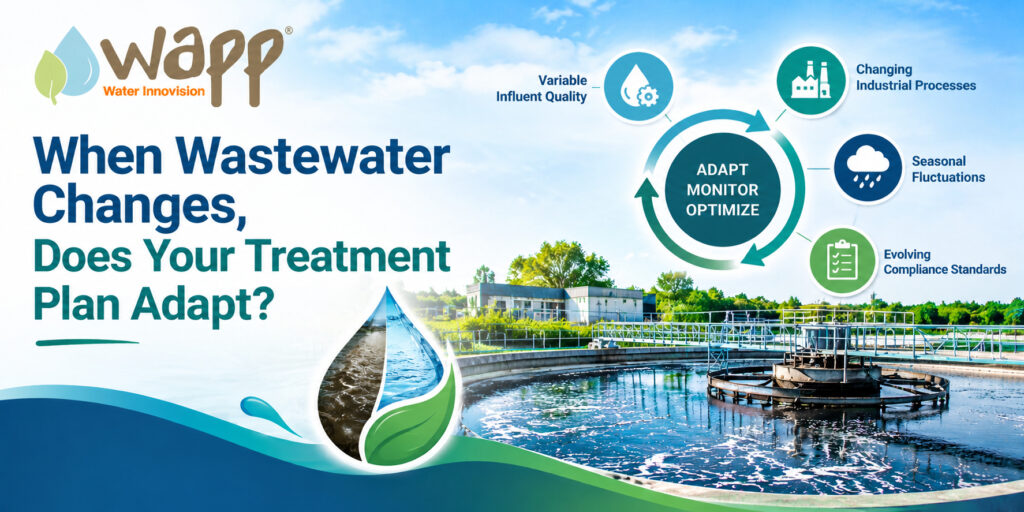
Understand how changing wastewater quality affects treatment performance, recycling, and plant operations. Explore practical solutions with a water treatment expert today.
The Problem May Begin Before the Treatment Plant
Wastewater quality can change when production schedules shift, cleaning activities increase, raw materials change, or several discharge streams combine. Even a functioning treatment plant may struggle when incoming wastewater differs from its expected characteristics.
For businesses seeking a water treatment company India, this makes wastewater assessment an important part of treatment planning. Reliable wastewater treatment solutions should account for both normal operating conditions and foreseeable process variations.
Three Changes That Deserve Attention
1. Unexpected changes in incoming wastewater
Variations in pH, suspended solids, organic load, or chemical composition can affect treatment processes. Operators should investigate unusual readings and identify the source before changing treatment settings.
2. Different discharge patterns
A facility may generate higher wastewater volumes during specific production or cleaning periods. Treatment capacity, equalisation arrangements, and operating procedures should reflect these variations.
3. Changing reuse requirements
When a facility introduces a new process or reuse application, its treated-water quality requirements may also change. Existing treatment stages may need reassessment before the water is used for its intended purpose.
Can Technology Help Operators Respond?
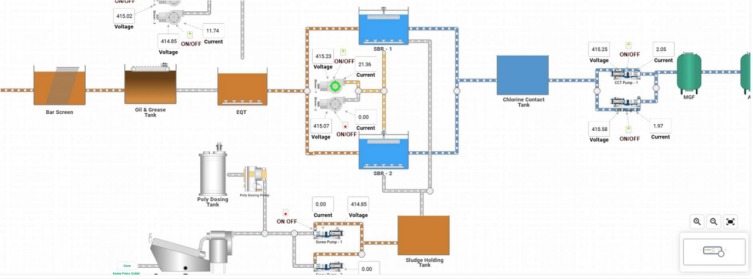
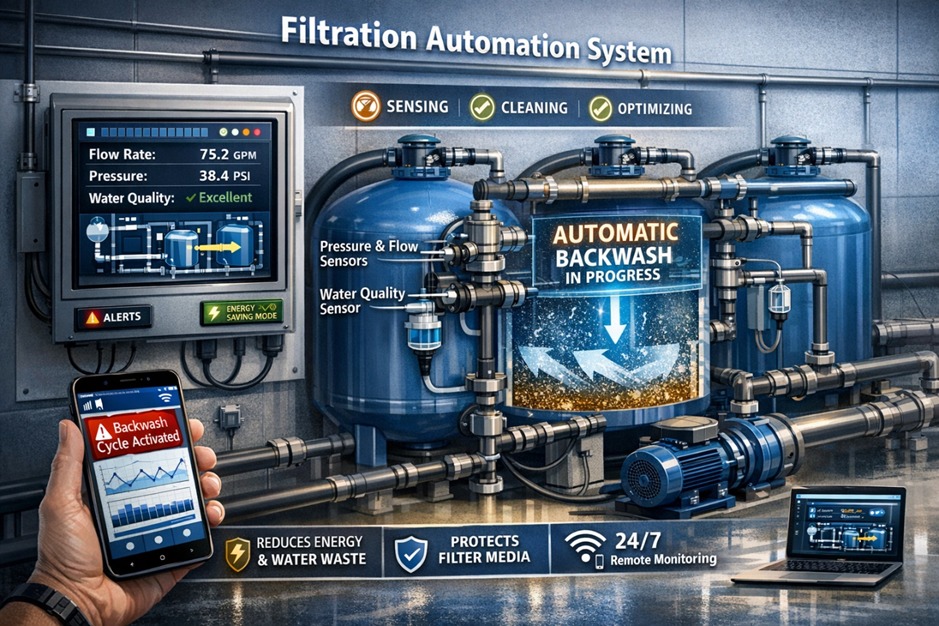
IoT water management systems can collect selected process readings and make operational changes easier to identify. Combined with smart water management technology, these systems can help teams review trends and investigate unusual conditions.
However, digital monitoring cannot replace appropriate sampling, laboratory analysis, or operator judgement. The value comes from connecting reliable information with a defined response procedure.
Reassess Treatment and Recovery Together
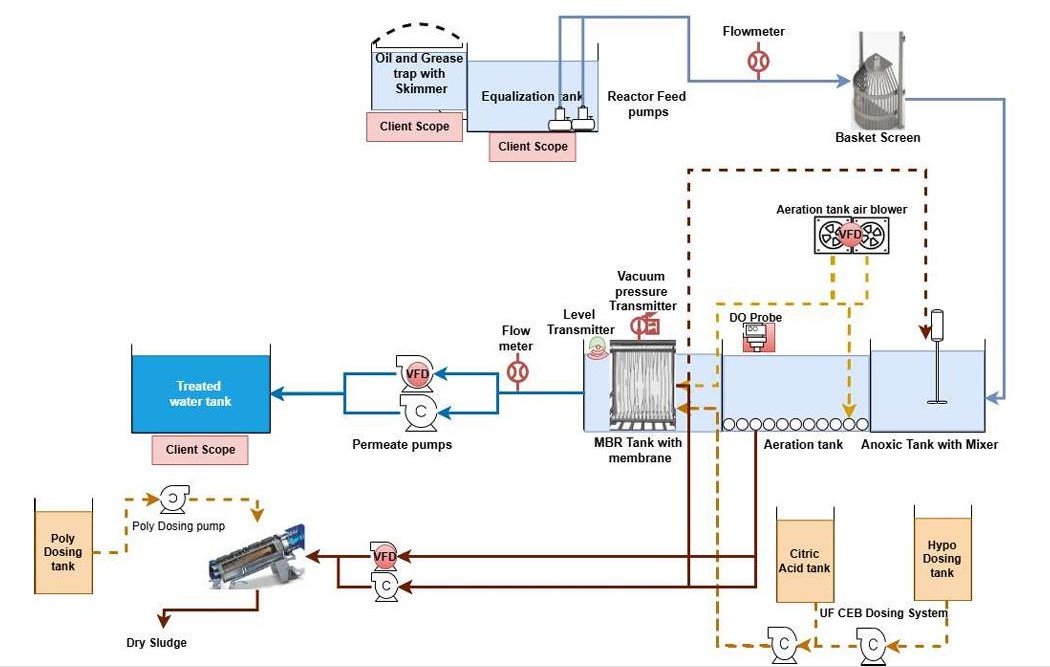
Changes in wastewater composition can influence chemical consumption, sludge generation, treatment efficiency, and the suitability of treated water for reuse. Experienced effluent treatment providers can help evaluate whether the existing process remains appropriate. Where domestic wastewater is involved, sewage treatment plant services should address the specific requirements of the STP and its operating environment.
Facilities considering waste water recycling technology should verify that treated water meets the quality requirements of each intended application. Zero liquid discharge solutions may be evaluated where recovery objectives justify the additional technical, energy, and residual-management requirements.
What Should the Operations Team Do First?
When wastewater conditions change unexpectedly:
- Verify the readings and repeat sampling when appropriate.
- Check recent production, cleaning, and discharge activities.
- Review treatment records and process conditions.
- Investigate the source before making major adjustments.
- Document corrective actions and review the results.
A defined water treatment plant operation & maintenance procedure helps teams respond consistently instead of relying on guesswork.
A Practical Approach for Indian Facilities
Industrial and commercial facilities across India can face different wastewater characteristics depending on their processes, water sources, and operating conditions. Treatment decisions should reflect site-specific testing, applicable requirements, and realistic operating capabilities.
Enhanced Wapp Systems India Pvt. Ltd. can be considered when evaluating integrated water and wastewater management requirements, including treatment operations and resource recovery.
Can wastewater quality changes affect an existing treatment plant?
Yes. Changes in flow, pH, pollutant concentration, or chemical composition can affect treatment performance. Operators should investigate the cause and assess the appropriate response before modifying the process.
Final thought
A treatment plant should be evaluated against the wastewater it actually receives, not only the conditions assumed during its original planning. Regular process reviews and documented response procedures can help facilities manage changing wastewater characteristics more effectively.
Need help assessing your wastewater treatment requirements? Contact a water treatment specialist to discuss your facility’s needs.