


Learn how planned STP maintenance, water recycling, and professional treatment services help businesses improve wastewater performance, reliability, and resource efficiency.
Wastewater infrastructure supports essential business operations, yet many facilities evaluate their treatment plants only after performance problems appear. Odour, equipment failure, inconsistent treated-water quality, excessive sludge, and rising operating expenses can signal deeper operational issues.
A proactive approach changes this cycle. Instead of depending on emergency repairs, facility teams can monitor treatment performance, schedule preventive servicing, and identify opportunities for water reuse. This approach helps businesses maintain reliable treatment while controlling avoidable operating expenses.
The Real Cost of Reactive Treatment Plant Management
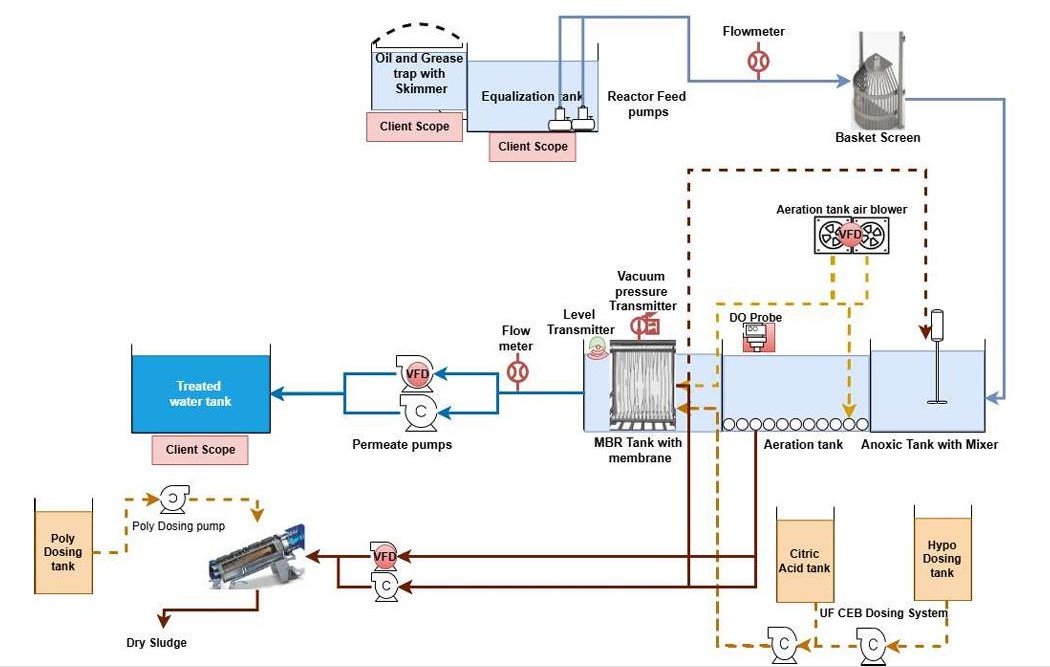
A treatment plant can remain operational while gradually becoming less efficient. Worn pumps, poorly adjusted dosing systems, inefficient aeration, and irregular cleaning can increase energy consumption and maintenance requirements. Professional wastewater treatment management focuses on identifying these issues before they develop into major operational problems.
Regular performance reviews also help facility teams understand whether their existing processes continue to match current wastewater volumes and characteristics.
Why Preventive STP Management Matters?
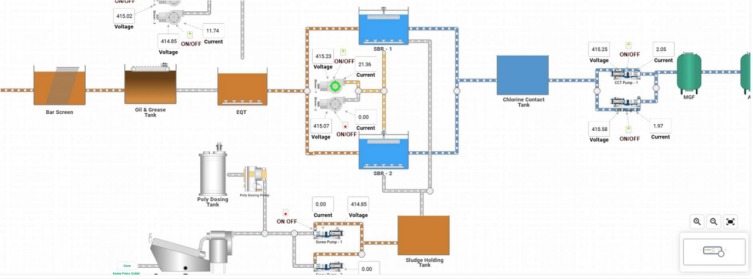
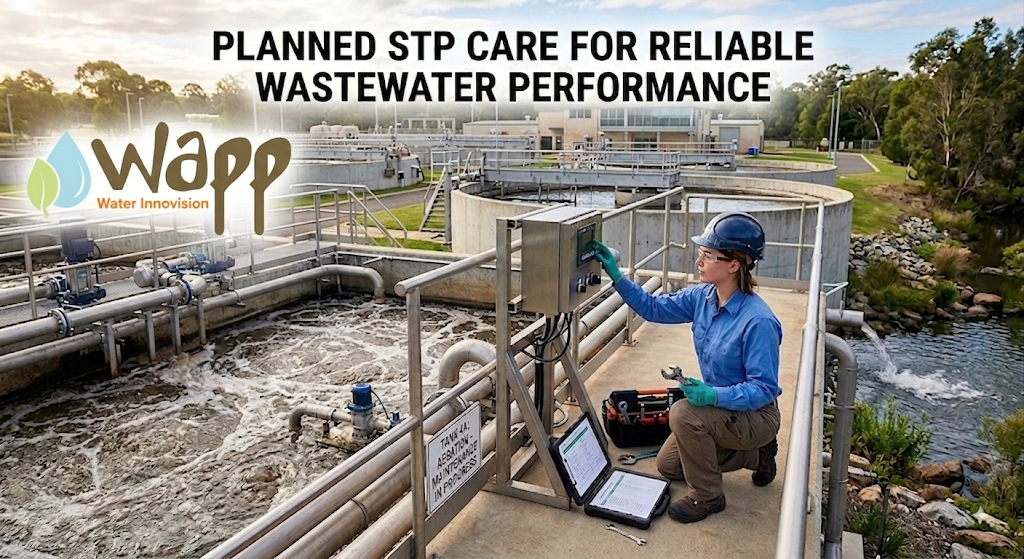
A structured STP operation maintenance services programme creates a predictable maintenance cycle instead of relying on breakdown-based intervention. Routine inspections can cover pumps, blowers, aeration systems, dosing equipment, electrical components, sludge handling, and process performance.
For facilities seeking predictable annual support, an STP AMC can combine scheduled servicing with technical assistance and performance monitoring. Working with an experienced STP maintenance company also helps facility managers establish maintenance priorities based on actual equipment conditions.
Connecting Treatment With Water Reuse
Treatment efficiency should not end when wastewater meets the required quality parameters. Businesses can evaluate suitable reuse opportunities as part of their wider resource strategy. Water recycling can help reduce freshwater demand for approved non-potable applications such as landscaping, flushing, or utility operations.
At the same time, integrated water management services can connect consumption monitoring, treatment performance, reuse planning, and maintenance activities into a coordinated strategy.
Selecting a Treatment Service Partner
Businesses should evaluate technical partners according to their ability to manage complete treatment operations rather than simply supply equipment. An experienced wastewater treatment company Delhi can provide site-specific guidance based on wastewater characteristics, plant configuration, operating conditions, and maintenance requirements.
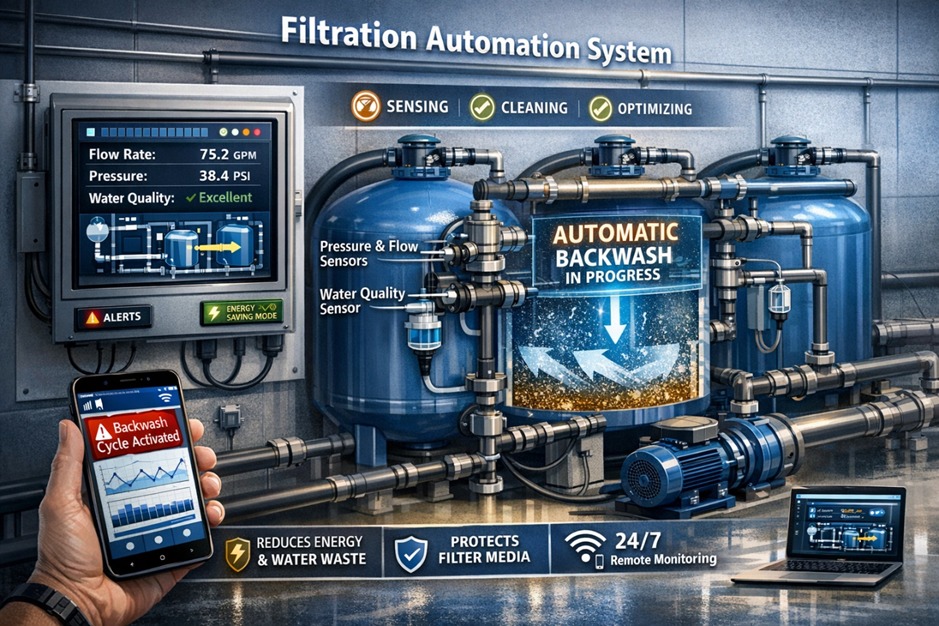
Professional water treatment services may include plant assessment, process optimization, preventive servicing, operational support, and performance evaluation. Effective sewage treatment also requires consistent monitoring because wastewater characteristics can change with occupancy, production levels, and daily operating patterns. A reliable operation & maintenance services programme should therefore combine technical expertise with clear reporting and timely corrective action.
What Facility Managers Should Review?
Before renewing or outsourcing treatment plant services, assess:
- Recent plant performance records
- Recurring equipment failures
- Energy and chemical consumption
- Preventive maintenance completion
- Treated-water quality trends
- Current and future wastewater volumes
- Potential water reuse applications
This review helps decision-makers select appropriate improvements instead of investing in unnecessary replacements.
Frequently Asked Questions
- What indicates that an STP needs professional maintenance?
Frequent equipment failures, unstable treatment results, odour problems, increasing energy use, and repeated emergency repairs can indicate the need for a detailed technical assessment.
- Does an STP AMC replace daily plant monitoring?
No. An AMC supports planned servicing and technical assistance, while daily operational monitoring remains essential for maintaining stable treatment performance.
- Can existing treatment plants support water recycling?
Some plants can support reuse after suitable treatment upgrades or process modifications. A technical assessment should determine whether the existing system can meet the required reuse quality.
- What should businesses ask an O&M provider before signing a contract?
They should clarify the maintenance scope, inspection frequency, response arrangements, reporting process, equipment coverage, and responsibilities for process optimization.
Conclusion
Reliable treatment performance depends on consistent attention rather than occasional emergency intervention. Planned maintenance, effective wastewater treatment, appropriate water recycling, and coordinated operational support can help businesses improve infrastructure reliability while using water resources more efficiently.
For organizations seeking integrated treatment expertise, Enhanced Wapp Systems India Pvt. Ltd. can develop operation, maintenance, and water management approaches based on individual site requirements.
Need to evaluate your existing STP? Book a technical site assessment and discuss a maintenance approach suited to your facility.