


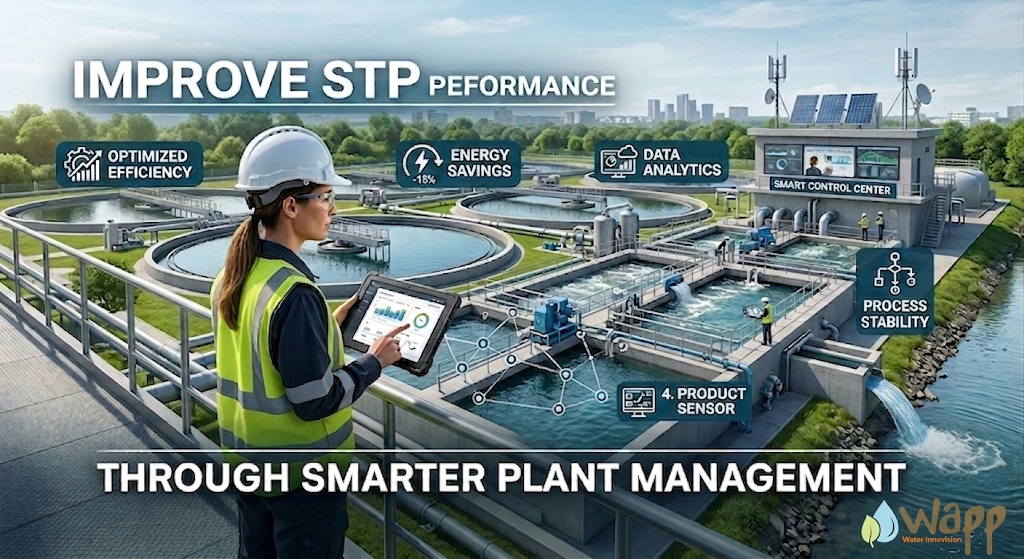
Learn how businesses can improve (STP) sewage treatment plant performance through better operation, preventive maintenance, water management, and treatment optimization.
Replacing an entire treatment plant is not always the answer when performance starts declining. In many facilities, the existing infrastructure can deliver better results through process optimization, equipment assessment, preventive servicing, and improved operational control.
A well-managed sewage treatment plant should respond effectively to changing wastewater loads while maintaining consistent treatment performance. Businesses can often improve reliability by identifying operational gaps before considering major capital upgrades.
Start With Plant Performance, Not Equipment Replacement
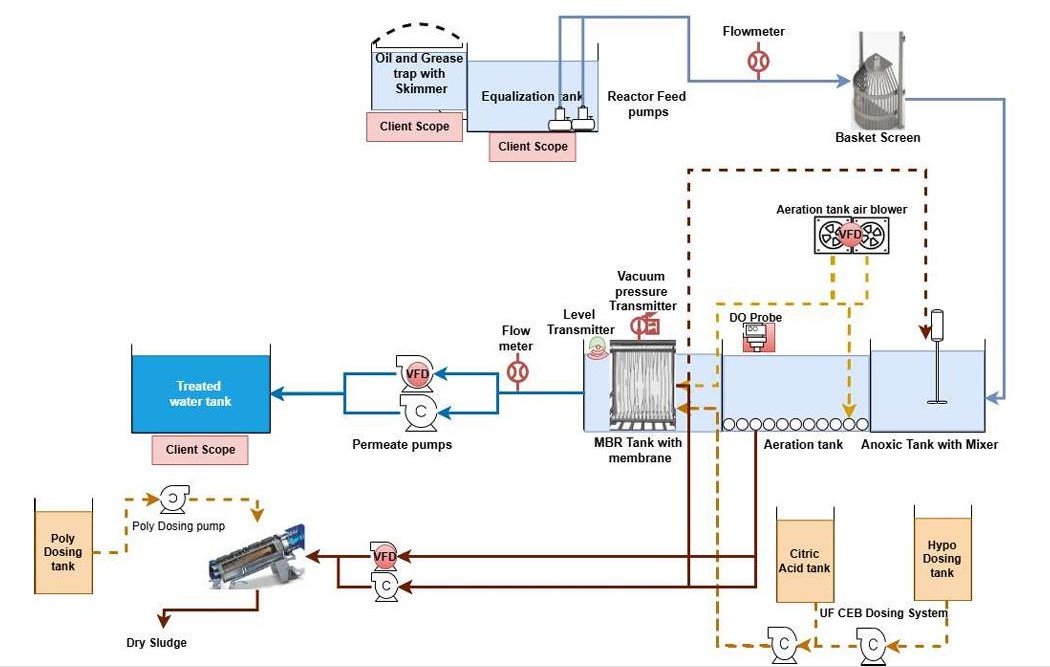
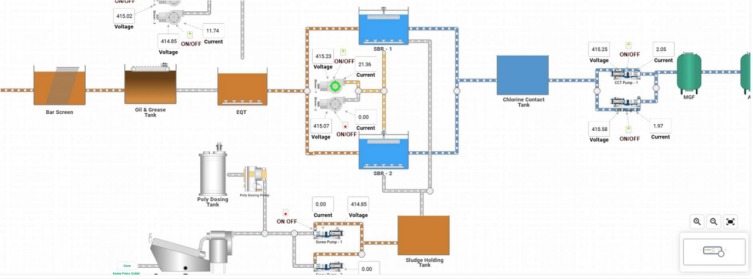
The first step involves understanding how the existing wastewater treatment system performs under actual operating conditions. Facility teams should review influential characteristics, hydraulic loading, aeration efficiency, sludge generation, energy consumption, treated-water quality, and equipment condition. This assessment helps identify whether the main issue involves process control, maintenance, capacity limitations, or ageing components.
Why Professional STP Operation Matters?
Treatment processes require continuous attention because wastewater characteristics can change throughout the day. Variations in flow, organic loading, and operating conditions can influence biological treatment performance.
An experienced STP operation company can establish appropriate operating routines, monitor critical parameters, coordinate preventive servicing, and identify deviations before they affect the overall process.
Consistent operation also creates better conditions for long-term plant performance and resource efficiency.
Maintenance Should Follow Actual Equipment Conditions
A fixed maintenance schedule alone may not address every operational requirement. Facility teams should combine planned inspections with equipment performance data. A professional STP maintenance company can assess pumps, blowers, dosing systems, electrical components, aeration equipment, and sludge-handling systems. Similarly, a structured STP AMC provides an organized framework for scheduled servicing, technical support, inspections, and corrective action.
Connect Treatment With the Wider Water Cycle
Wastewater management works best when businesses consider the complete water cycle rather than treating the STP as an isolated utility. Professional water treatment services can address treatment performance, water quality, reuse opportunities, and operational efficiency.
Businesses can also integrate water treatment plant operation & maintenance with broader wastewater management services to create a coordinated approach across water consumption, treatment, discharge, and reuse. For larger facilities, total water management services can provide a wider framework for optimizing water resources across multiple treatment systems.
A Practical Performance Improvement Checklist
Facility managers can begin with these actions:
- Review the plant’s recent performance data.
- Identify recurring equipment failures.
- Compare actual wastewater loading with design capacity.
- Inspect aeration and sludge-handling performance.
- Review chemical and energy consumption.
- Evaluate suitable treated-water reuse opportunities.
- Create a documented preventive maintenance schedule.
These steps provide a stronger foundation for deciding whether optimization, refurbishment, or capacity enhancement offers the best solution.
Frequently Asked Questions
- Can an existing STP perform better without complete replacement?
Yes. Process optimization, equipment servicing, improved monitoring, and operational corrections can significantly improve performance when the underlying infrastructure remains suitable.
- What does an STP AMC typically support?
An AMC can cover scheduled inspections, preventive servicing, technical assistance, equipment checks, and corrective maintenance according to the agreed scope.
- How does integrated wastewater management improve plant efficiency?
It connects treatment operations with monitoring, maintenance, resource recovery, and reuse planning, helping facilities manage the complete wastewater cycle more effectively.
- When should a business consider upgrading its treatment plant?
An upgrade becomes relevant when current capacity, treatment performance, equipment condition, or regulatory requirements exceed what optimization and maintenance can reasonably address.
Conclusion
Improving treatment performance does not always require immediate plant replacement. A structured combination of reliable operation, preventive maintenance, technical assessment, and integrated water planning can help businesses extract greater value from existing infrastructure.
For facilities seeking professional support, Enhanced Wapp Systems India Pvt. Ltd. provides expertise across treatment operations, maintenance, and broader water management requirements.
Evaluate your existing STP performance and identify practical opportunities for optimization, maintenance, and long-term water management.