




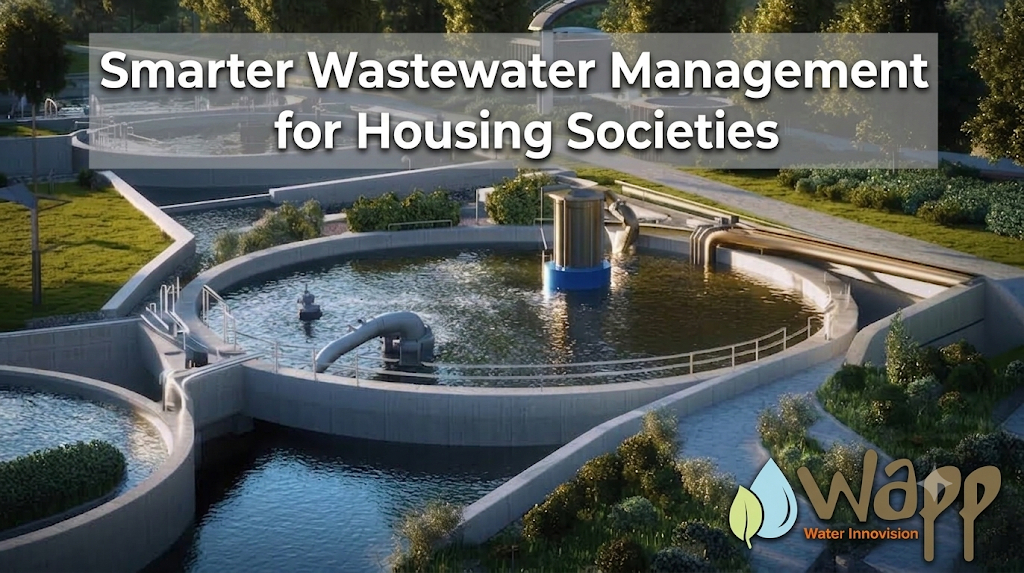
Housing societies can improve wastewater performance through planned STP care, water recycling, and efficient resource management. Explore practical solutions for reliable community infrastructure.
Large housing societies manage water every day across hundreds or thousands of homes. Residents use water for bathrooms, kitchens, cleaning, gardening, and other household activities, creating a continuous wastewater stream that requires dependable treatment.
As communities expand, treatment requirements also become more demanding. Therefore, resident welfare associations and facility managers need a structured approach that combines plant operation, preventive maintenance, water reuse, and performance monitoring.
The Challenge Begins After STP Installation
Installing an STP does not automatically guarantee consistent performance. Daily operation determines how effectively the system handles changing wastewater volumes and characteristics.
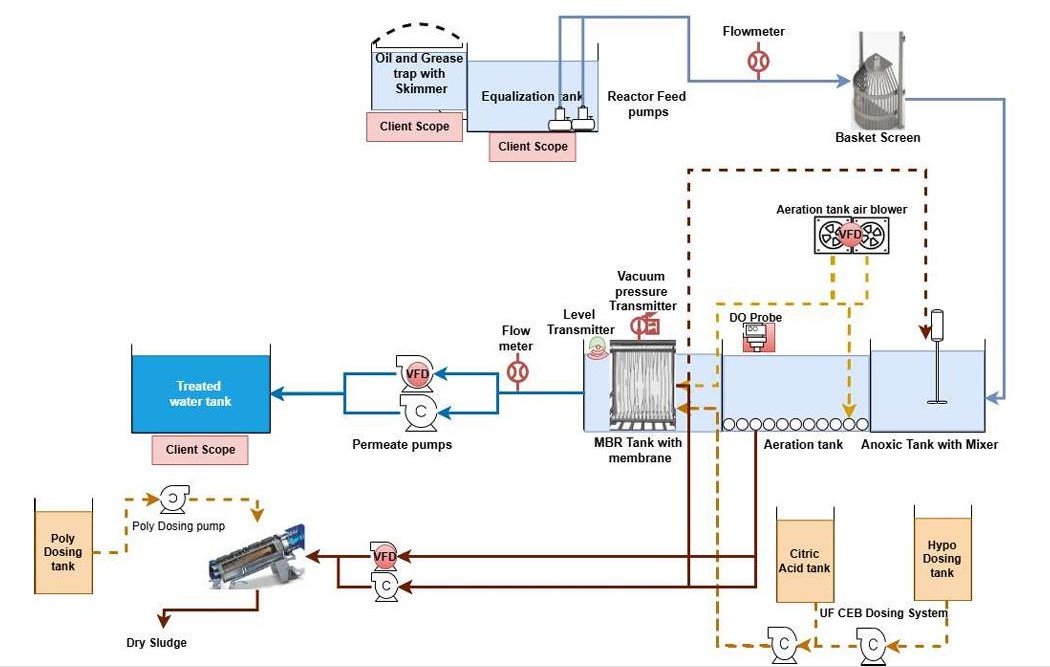
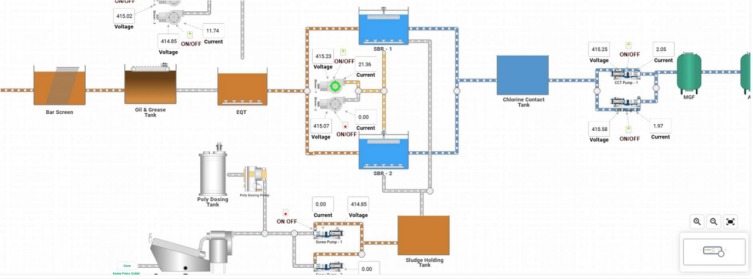
Professional STP operation maintenance services help facility teams manage routine plant activities, inspect critical equipment, monitor processes, and address developing issues. For a housing society, this support becomes particularly valuable during periods of high occupancy, seasonal water consumption, or increased wastewater generation.
Where Water Recycling Can Help?
Housing communities generate wastewater every day, creating a potential resource for suitable non-potable applications. After achieving the required treatment quality, water recycling can support activities such as gardening, toilet flushing, and other approved community requirements. This can reduce dependence on freshwater for applications that do not require potable water.
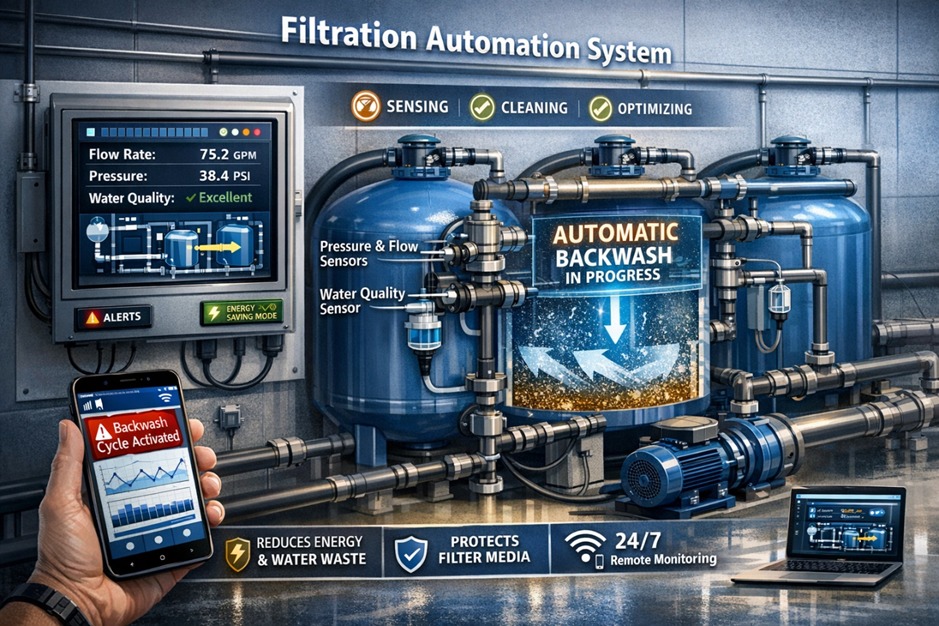
A broader water management services strategy can connect consumption monitoring, treatment performance, recycling, and maintenance into one coordinated system.
Why Should Societies Plan Maintenance in Advance?
Unexpected STP failures can create inconvenience for residents and place additional pressure on facility teams.
An STP AMC establishes a planned framework for inspections, servicing, technical assistance, and maintenance responsibilities. Meanwhile, an experienced STP maintenance company can identify equipment issues before they develop into disruptive failures. Regular operation & maintenance services also help societies maintain better visibility over plant performance and recurring repair requirements.
Choosing a Wastewater Partner in Delhi
Housing societies in Delhi have different occupancy patterns, plant capacities, wastewater characteristics, and infrastructure conditions. Therefore, selecting a wastewater treatment company Delhi should involve more than comparing quotations.
Facility managers should evaluate technical expertise, response capability, maintenance scope, operational experience, and reporting practices. Professional water treatment services can support plant assessment, process improvement, equipment care, and operational planning. Effective sewage treatment also requires regular monitoring to maintain suitable treatment performance.
What a Society Management Team Should Monitor?
A practical monthly review can include:
- Freshwater consumption
- STP operating performance
- Treated-water quality
- Equipment breakdowns
- Electricity consumption
- Sludge generation
- Recycled-water usage
- Preventive maintenance completion
These indicators help management committees make informed decisions about maintenance and infrastructure improvements.
FAQs
- Why is regular STP operation important for housing societies?
Consistent operation helps maintain treatment efficiency despite variations in occupancy, wastewater flow, and daily household consumption.
- Can housing societies reuse treated wastewater?
Yes. Properly treated water can support suitable non-potable applications when quality requirements and applicable guidelines allow reuse.
- What does an STP AMC offer to a residential community?
An AMC can provide scheduled inspections, preventive servicing, technical support, and clearly defined maintenance responsibilities.
- How can societies select the right wastewater service provider?
Committees should evaluate technical experience, maintenance capabilities, response arrangements, reporting quality, and understanding of the society’s specific treatment infrastructure.
Conclusion
Effective wastewater infrastructure directly supports the comfort and sustainability of residential communities. Housing societies can improve plant reliability by combining wastewater treatment, preventive maintenance, water recycling, and structured operational management.
A coordinated approach also helps resident communities use water resources more responsibly while reducing avoidable treatment-related disruptions. Enhanced Wapp Systems India Pvt. Ltd. can support housing societies with tailored treatment, maintenance, recycling, and water management requirements.
Managing an STP in your housing society? Schedule a technical assessment to evaluate plant performance, maintenance requirements, and water recycling opportunities.