

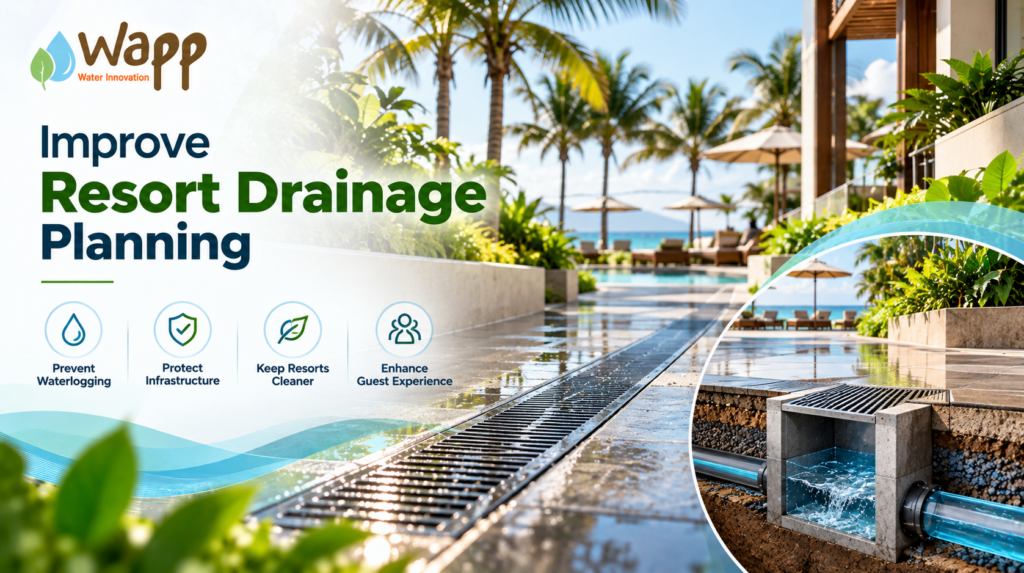
Learn how resorts can improve grease trap planning, prevent drainage issues, and protect wastewater treatment systems through better maintenance and water management. Get expert guidance today.
Resort Drainage Needs More Than Routine Cleaning
Resorts manage several water-intensive activities, including restaurant kitchens, banquet services, laundry facilities, guest accommodation, and recreational amenities. Each activity can place different demands on the property’s drainage network.
Kitchen wastewater is particularly important because fats, oils, and grease can accumulate inside pipes when disposal practices and grease-control arrangements are inadequate. Over time, this buildup may contribute to slow drainage, unpleasant odours, and recurring plumbing problems. A suitable water treatment company India can help resort operators assess drainage infrastructure alongside their broader wastewater treatment solutions.
What Makes Grease Trap Planning Important?
Grease traps and grease interceptors help separate fats, oils, and grease from wastewater before it enters downstream drainage systems. Their effectiveness depends on appropriate sizing, installation, maintenance, and the characteristics of the wastewater they receive.
Resort management teams should consider three important factors:
- Kitchen workload: Restaurant capacity, meal schedules, and banquet activity influence grease generation.
- Drainage layout: Pipe routing, access points, and connections affect inspection and cleaning requirements.
- Maintenance access: Staff need practical access to inspect, clean, and service grease-control equipment safely.
Planning should reflect actual site conditions rather than applying the same arrangement to every kitchen.
How Can Resorts Reduce Recurring Drainage Problems?
An effective drainage plan combines prevention with systematic inspection.
- Control disposal practices: Train kitchen employees to collect used cooking oil separately and prevent food scraps and excess grease from entering sinks.
- Inspect high-use areas: Review grease traps, kitchen drains, and recurring blockage locations according to workload and observed conditions.
- Coordinate maintenance: Establish responsibilities for trap servicing, blockage reporting, waste collection, and plumbing repairs.
- Review wastewater connections: Confirm that kitchen drainage connects to the intended system and that grease-control equipment suits the installation.
These measures can help reduce avoidable disruptions, although results depend on the property’s infrastructure and operating practices.
Connect Drainage Planning With Treatment Operations
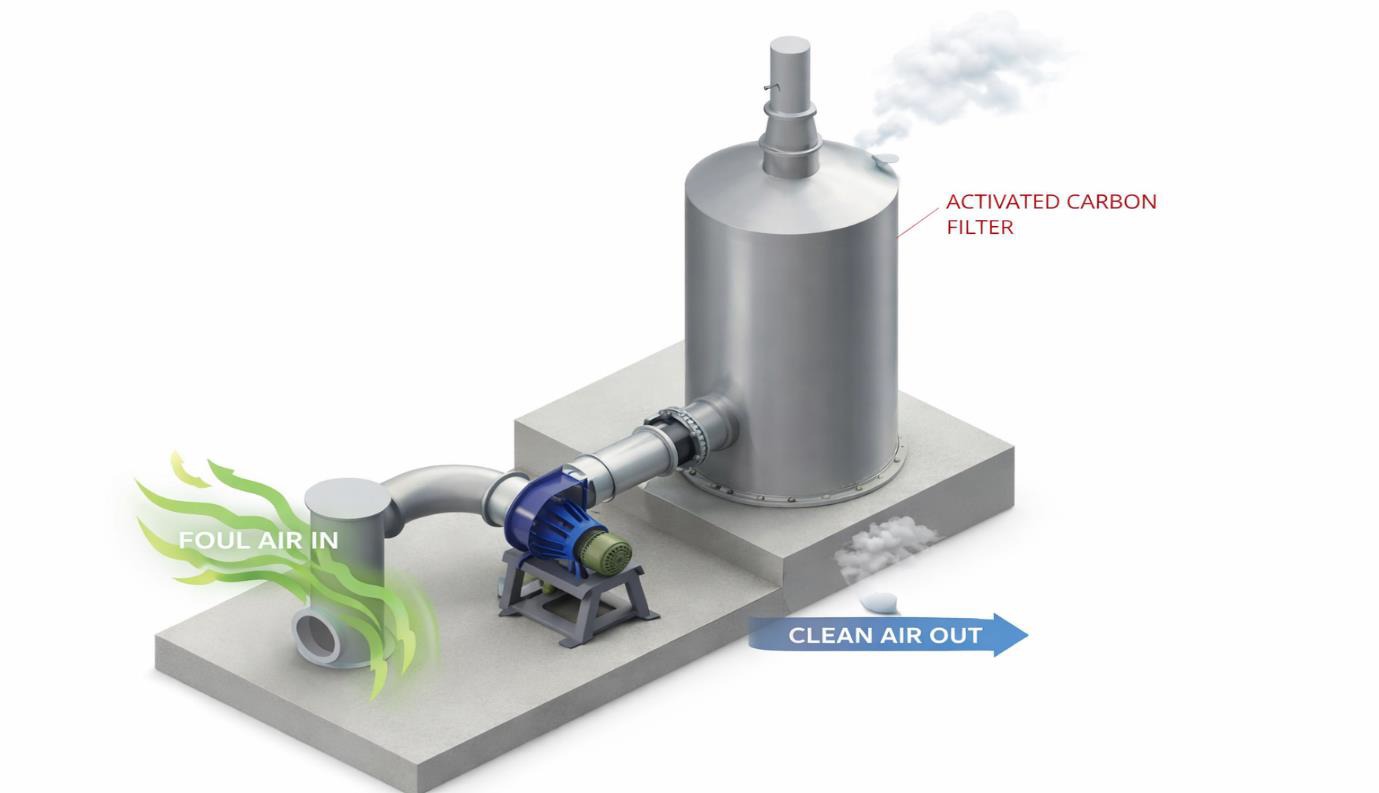
Grease management should form part of the resort’s overall wastewater strategy. Excessive grease entering downstream systems may affect treatment performance, depending on the process design and wastewater composition.
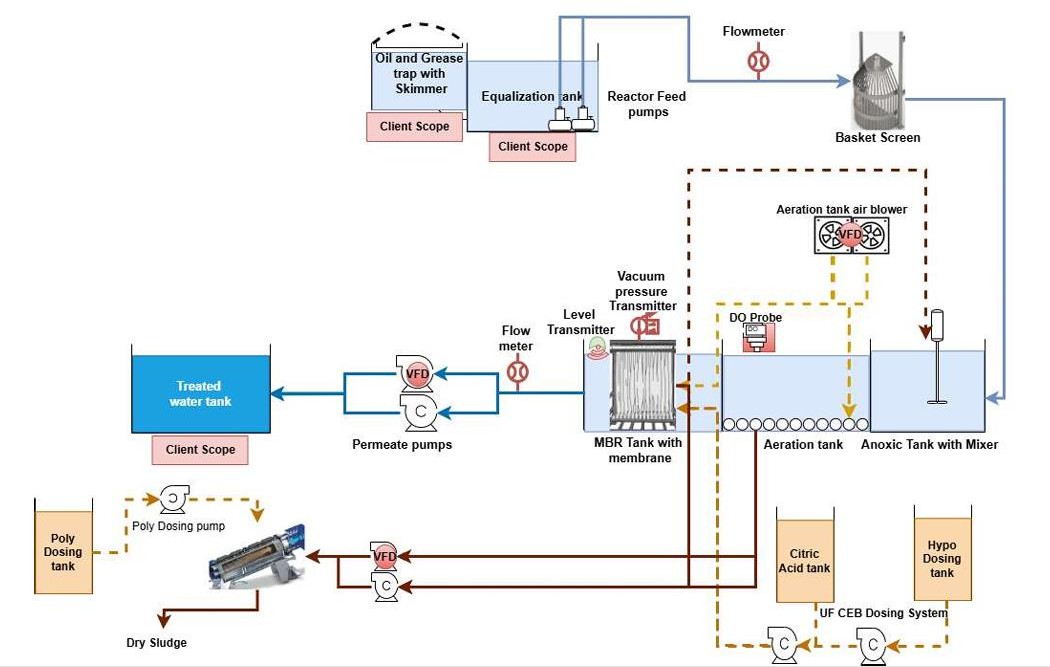
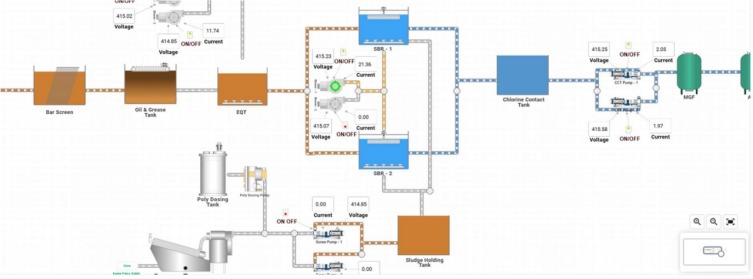
Qualified effluent treatment providers can assess relevant commercial wastewater streams, while sewage treatment plant services address the operating requirements of sewage treatment facilities. A defined water treatment plant operation & maintenance programme can connect drainage inspections with plant monitoring, equipment servicing, and operational records.
Can Smart Technology Support Resort Water Management?
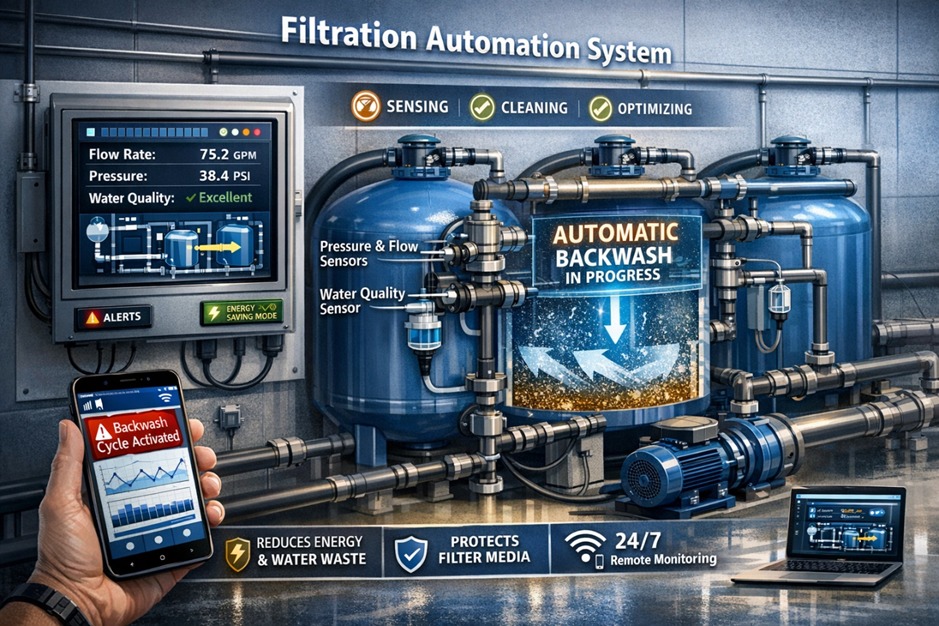
IoT water management systems can monitor selected water-flow parameters and help identify unusual usage patterns. Combined with smart water management technology, these tools may help engineering teams investigate recurring issues and prioritise inspections.
However, sensors cannot replace physical grease-trap cleaning or correct disposal practices.
Resorts exploring waste water recycling technology should also assess incoming wastewater quality and intended reuse requirements. Where zero liquid discharge solutions are being considered, a separate feasibility assessment should examine energy demand, recovery targets, residual handling, and operational complexity.
Why Do Resorts Need Proper Grease Trap and Drainage Planning?
Resorts need proper planning to manage kitchen grease, reduce drainage blockages, improve maintenance access, and protect downstream wastewater treatment processes. Effective results depend on suitable equipment, staff practices, and regular inspections.
A Practical Approach for Indian Resorts
Resorts across India can have different kitchen capacities, drainage configurations, occupancy patterns, and wastewater requirements. Facility teams should base grease-control arrangements on site assessments, applicable requirements, and the actual operating load. Enhanced Wapp Systems India Pvt. Ltd. can be approached to discuss water and wastewater management requirements for hospitality properties.
Final Takeaway
Grease trap planning works best when it connects kitchen practices, drainage design, maintenance access, and wastewater treatment responsibilities. Addressing these elements together can help resort teams manage recurring drainage concerns more systematically.
Planning improvements for your resort’s water infrastructure? Contact Wappsys, a water treatment specialist to discuss your site’s requirements.