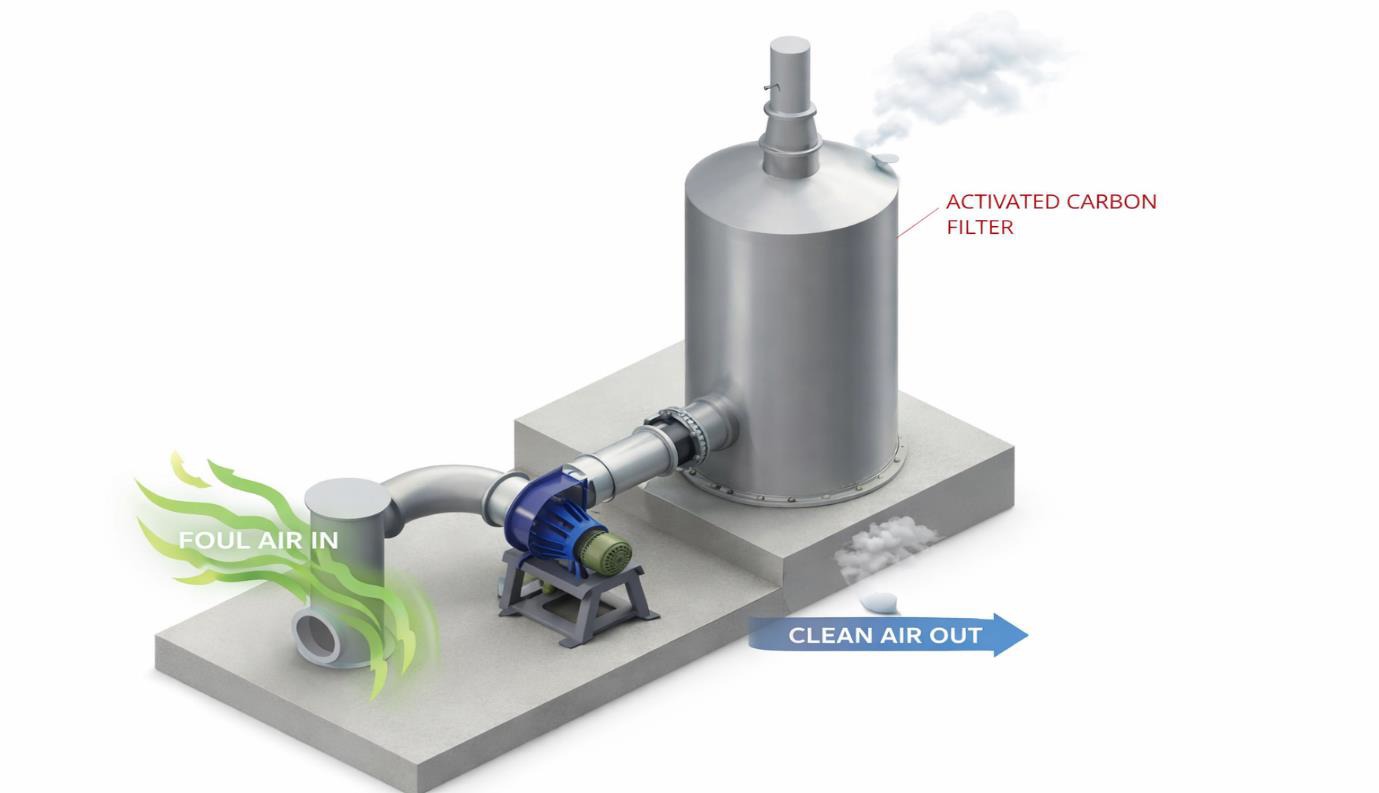

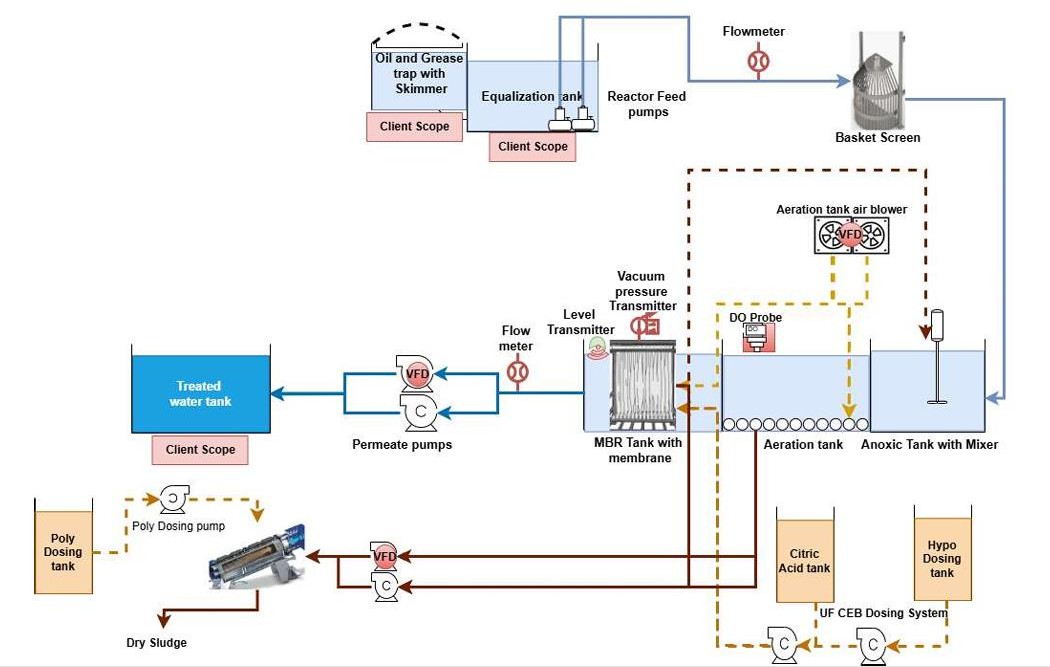
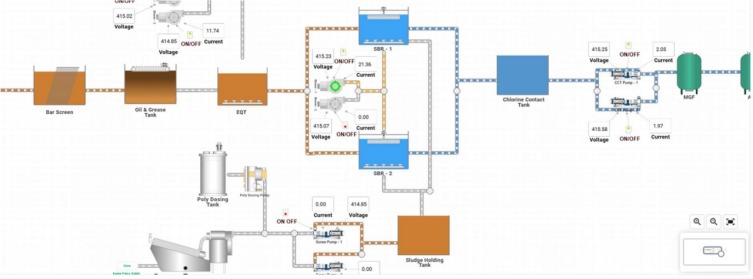
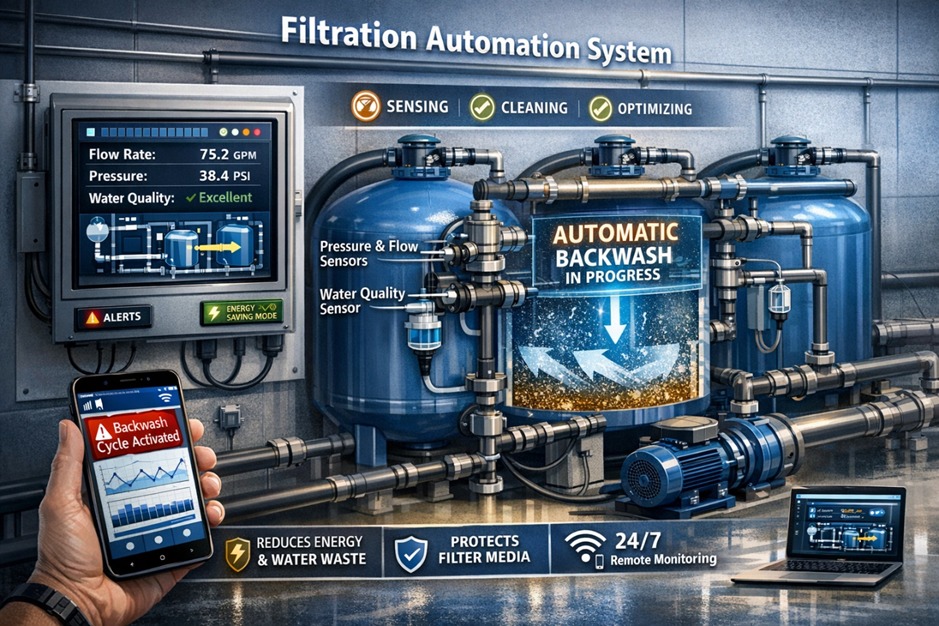
Explore how airports can improve wastewater recovery, control water consumption and reduce operating costs through smarter treatment and monitoring. Get expert support.
Airports Need More Than a Reliable Water Supply
Airports operate around the clock, serving passengers, airlines, restaurants, retail outlets, maintenance teams and ground-handling facilities. Each activity creates different water requirements and wastewater streams.
Passenger terminals require water for washrooms and cleaning, while restaurants, aircraft-related facilities and commercial areas generate wastewater with varying characteristics. When these streams are managed without a coordinated recovery strategy, airports may miss opportunities to reuse water and control operating expenses. A better approach connects wastewater treatment, consumption monitoring and reuse planning across the airport campus.
Separate Wastewater Streams Before Selecting Treatment Methods
Not all airport wastewater has the same composition. Domestic sewage from passenger facilities differs from wastewater generated by kitchens, workshops and other operational areas.
Mixing different streams without assessing their characteristics can make treatment more complicated. Airport facility teams should first map wastewater sources and identify suitable treatment requirements.
Key considerations include:
- Terminal wastewater: Assess sewage generated by passenger washrooms and administrative facilities.
- Food-service discharge: Review kitchen wastewater and its grease and organic content.
- Maintenance activities: Identify specialised wastewater that may require separate handling.
- Cleaning operations: Evaluate wastewater generated through terminal and facility cleaning.
- Reuse opportunities: Identify applications where treated water can replace fresh water safely.
Suitable wastewater treatment solutions should reflect the characteristics of each stream, treatment capacity and intended reuse application.
Turn Treated Wastewater into an Operational Resource
Airports use water for several activities that do not necessarily require drinking-quality water. With appropriate treatment and quality verification, recovered water may support selected non-potable applications.
Potential reuse areas include:
- Landscape irrigation around terminals and airport premises.
- Toilet flushing through separate distribution networks.
- External pavement and utility-area cleaning.
- Other approved facility-maintenance activities.
Professional sewage treatment plant services can help maintain treatment performance and support consistent reclaimed-water quality. Airports with specialised wastewater streams may also need experienced effluent treatment plant providers to assess additional treatment requirements.
Use Smart Monitoring to Control Unnecessary Consumption
Airport water infrastructure covers large areas, multiple buildings and extensive distribution networks. Manual inspection alone may not provide enough visibility into changing consumption patterns. Smart water management technology can help facility teams understand where water is being consumed and identify unusual usage.
Suitable IoT water management systems can connect meters and sensors to monitor selected parameters, including flow, tank levels and equipment conditions. This information can help teams investigate leaks, detect irregular consumption and coordinate maintenance activities. For example, an unexpected rise in water use within a terminal block may indicate a leaking pipeline, faulty flushing equipment or an inefficient cleaning process.
Reduce Treatment Costs Through Preventive Plant Management
Treatment plants require consistent attention to maintain process performance. Water treatment plant operation & maintenance should cover equipment inspections, pump servicing, filtration, process monitoring, sludge management and water-quality testing. Airports should also review energy consumption, chemical usage and maintenance records to identify avoidable operating expenses.
A technically experienced water treatment company India can assess existing infrastructure and recommend suitable improvements based on airport-specific water requirements.
Large airport facilities may also evaluate zero liquid discharge solutions where technical feasibility, environmental requirements and operating economics justify the investment. ZLD should be assessed as a specialised recovery strategy rather than an automatic requirement for every airport.
Frequently Asked Questions
1. How can airports reduce wastewater management costs?
Airports can review wastewater sources, improve treatment efficiency, reduce water losses and reuse properly treated water for suitable non-potable applications.
2. Can airport wastewater be reused for landscaping?
Yes. Treated wastewater may be used for landscaping when it meets the required quality standards and local regulatory conditions.
3. Why should airports monitor different wastewater streams separately?
Different activities produce wastewater with different characteristics. Identifying these streams helps determine appropriate treatment methods and improves process management.
4. How can IoT systems support airport water management?
Connected meters and sensors can help monitor flow, storage levels and selected equipment conditions, allowing facility teams to investigate unusual consumption more quickly.
5. Is zero liquid discharge suitable for every airport?
No. Its suitability depends on wastewater characteristics, available space, energy requirements, investment and operational costs.
Build a More Efficient Airport Water Management Strategy
Airports can improve water efficiency by treating wastewater as a recoverable resource rather than focusing only on disposal. Source assessment, suitable treatment, planned reuse and continuous monitoring can help reduce avoidable freshwater consumption and strengthen infrastructure performance.
Enhanced Wapp Systems India Pvt. Ltd. supports water and wastewater management requirements through treatment and operational expertise. A site-specific assessment can help airport facility teams identify improvement opportunities and plan suitable treatment systems.
Looking to improve wastewater management at your airport? Connect with water management experts to assess your treatment infrastructure and water-saving opportunities.