



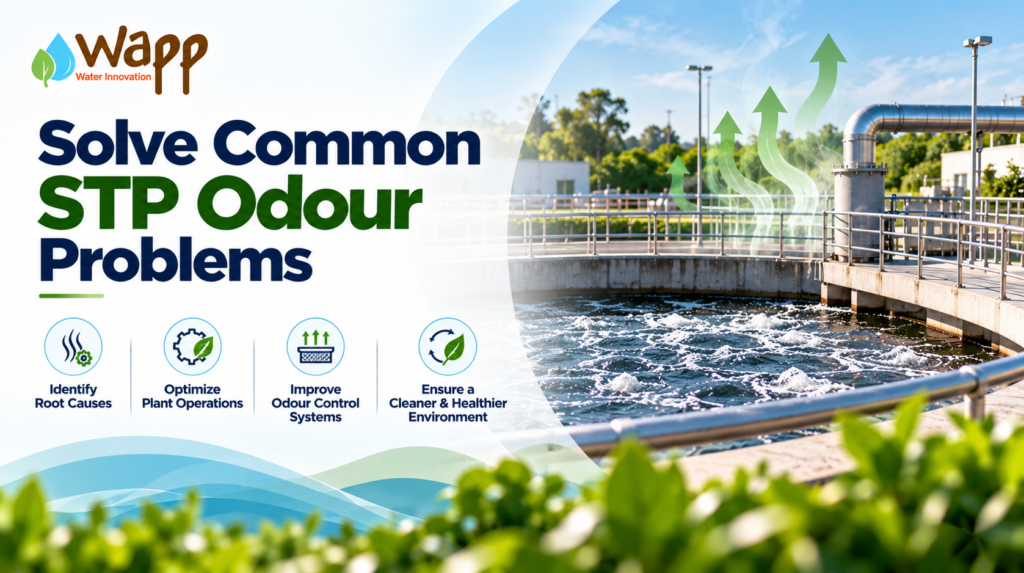
Learn how housing societies can identify STP odour sources, improve plant maintenance and manage complaints with practical wastewater solutions. Get expert support.
When an STP Smell Becomes a Community Concern
An unpleasant smell around a sewage treatment plant (STP) can quickly become a concern for residents. Complaints often increase when odour reaches balconies, parking areas, gardens or nearby common spaces.
However, masking the smell with fragrances or temporary chemical sprays does not solve the underlying problem. The odour may indicate changes in wastewater conditions, poor ventilation, accumulated sludge or gaps in plant maintenance. Society management committees need a response process that investigates the source instead of treating every complaint as an isolated incident.
Start by Identifying Where the Odour Develops
Different treatment stages can produce different odour conditions. A useful investigation begins by checking the areas where the smell is strongest and when it occurs.
Common points to inspect include:
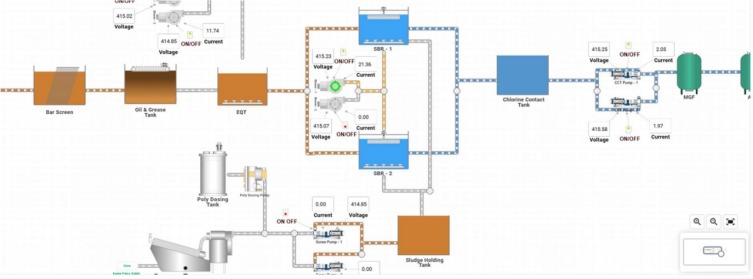
- Inlet chamber: Accumulated sewage and stagnant wastewater can release unpleasant gases.
- Screening section: Retained solids may decompose when cleaning schedules are missed.
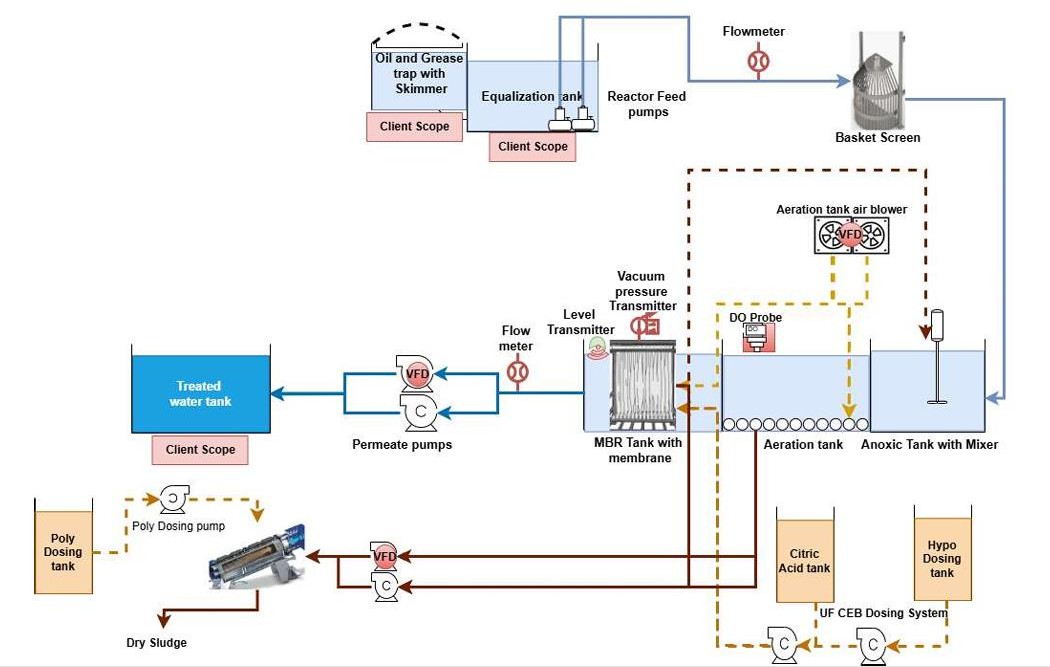
- Equalisation tank: Poor mixing or prolonged wastewater retention can contribute to odour formation.
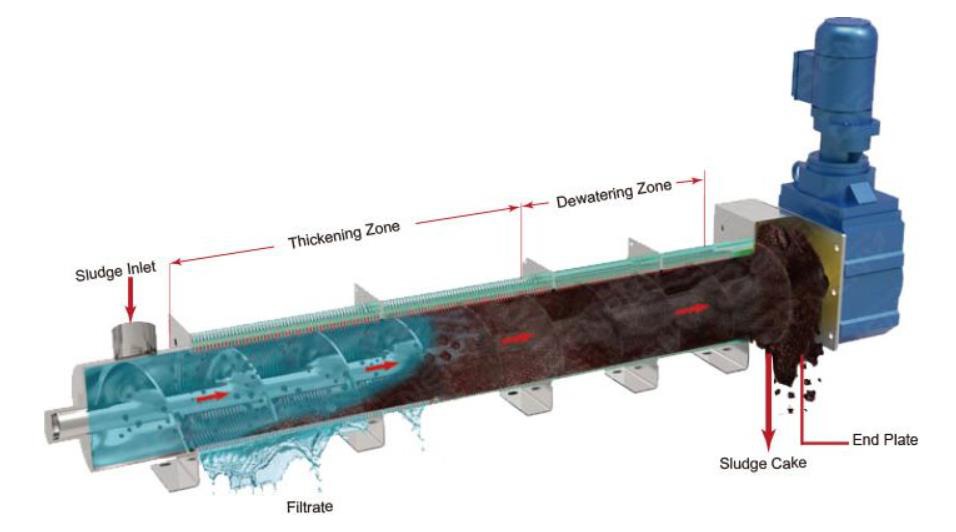
- Sludge handling area: Improper sludge storage and delayed removal can create persistent smells.
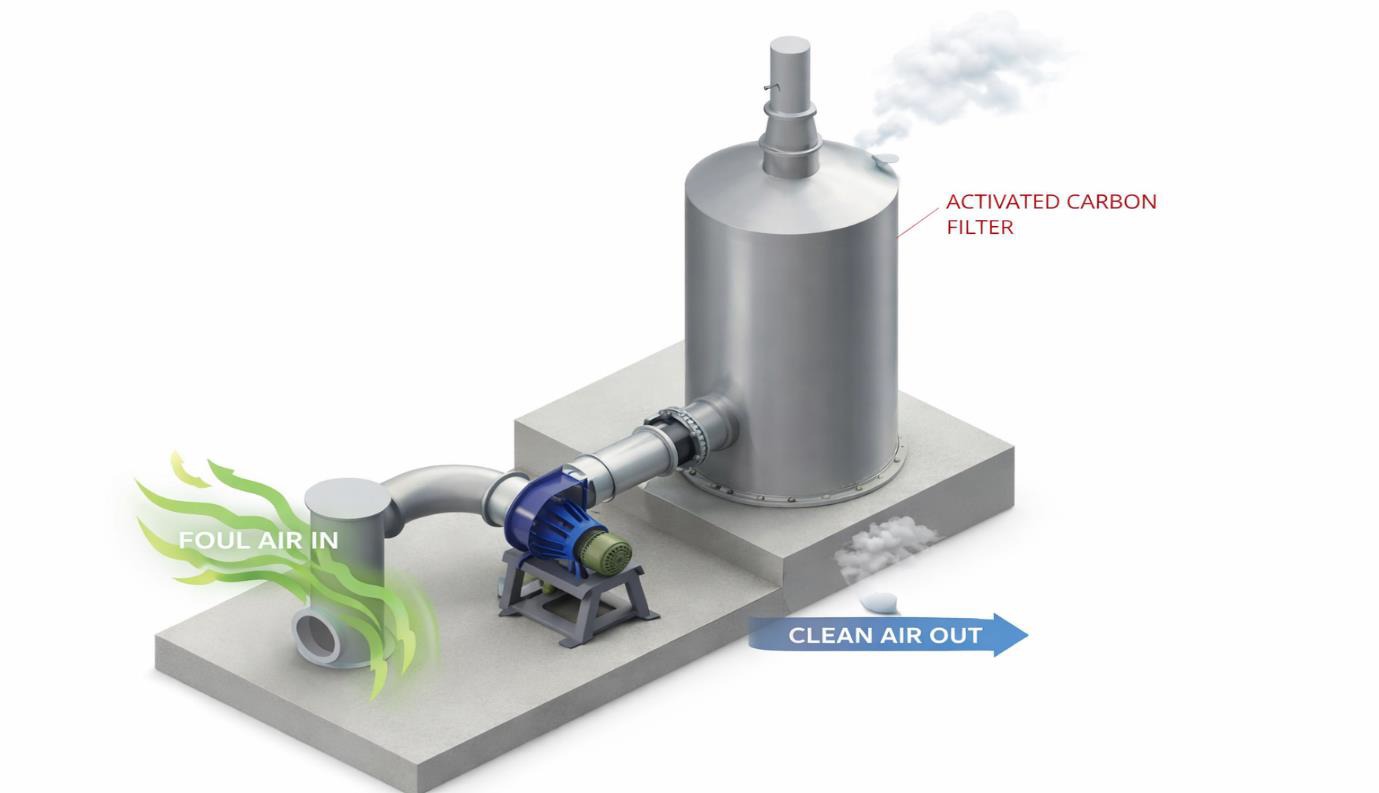
- Ventilation system: Blocked vents or inadequate air movement can allow odours to spread.
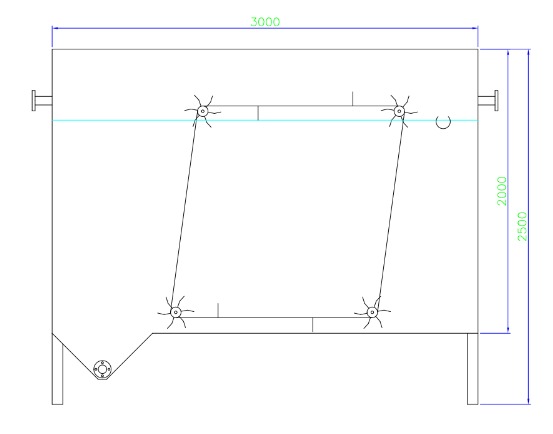
- Treatment tanks: Process imbalance, insufficient aeration or equipment problems may affect treatment conditions.
The investigation should also record whether the smell appears continuously or only during specific operating periods.
Turn Resident Complaints into Useful Maintenance Information
A complaint register can help management identify recurring patterns. Instead of recording only that an STP smells, staff should note the location, time, duration and surrounding conditions. For example, complaints that occur mainly after heavy wastewater inflow may require a different investigation from smells that remain near the sludge storage area throughout the day.
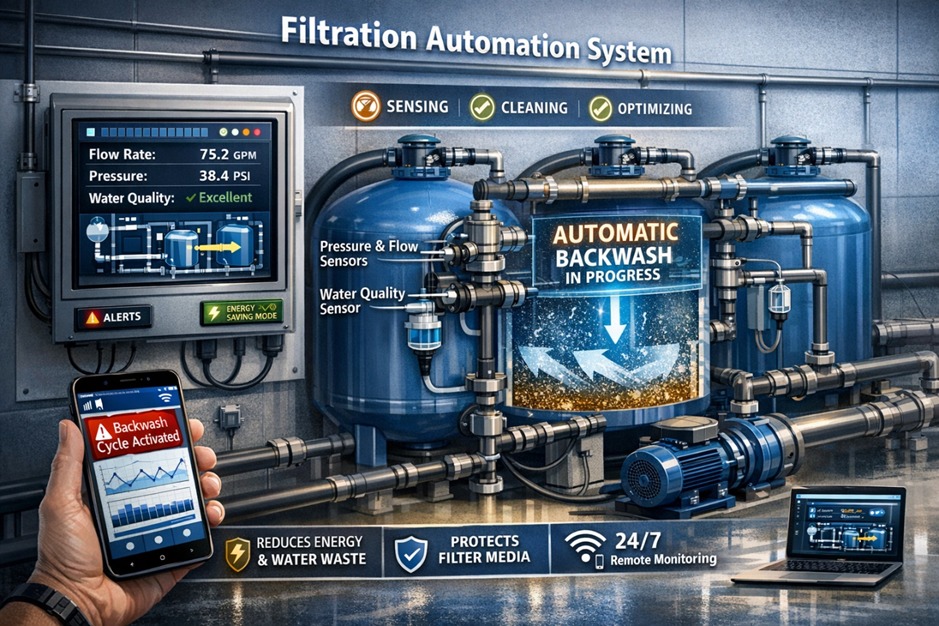
Facility teams can also use smart water management technology to improve visibility into selected plant conditions. IoT water management systems may support remote monitoring of parameters such as tank levels, equipment status and operating conditions, depending on the installed sensors. These records help maintenance teams investigate changes more systematically.
Why Routine STP Maintenance Cannot Be Overlooked?
Odour management depends on consistent treatment performance. Water treatment plant operation & maintenance should include scheduled inspections, aeration checks, sludge management, cleaning of screening equipment and verification of mechanical systems.
Societies should also ensure that operators maintain accurate records of:
- Aeration equipment performance.
- Sludge accumulation and removal.
- Tank cleaning and inspection dates.
- Wastewater flow and treatment variations.
- Corrective actions taken after complaints.
A qualified water treatment company India can assess existing infrastructure and recommend suitable wastewater treatment solutions based on the plant’s design, wastewater characteristics and operational condition. Where a property includes additional commercial wastewater streams, specialised effluent treatment providers may also be needed.
A Better Complaint-Response Process for Society Management
An effective response should connect residents, facility managers and STP operators.
When a complaint arrives, management should acknowledge it, arrange an inspection and record the findings. If the source is identified, the operator should complete corrective work and document the outcome.
Professional sewage treatment plant services can support plant inspections, troubleshooting and ongoing operational requirements.
For facilities exploring advanced water recovery, zero liquid discharge solutions may be assessed as part of a wider water-management strategy. However, ZLD does not automatically eliminate STP odour; odour sources still require separate investigation and control.
Frequently Asked Questions
1. Why does an STP produce a bad smell?
Odour may develop due to stagnant wastewater, accumulated sludge, poor aeration, decomposing solids, inadequate ventilation or process-related problems.
2. Can an STP odour problem be solved by adding chemicals?
Chemical treatment may be appropriate in specific, professionally assessed situations, but it should not replace identifying and correcting the actual source.
3. How often should a society inspect its STP?
Inspection frequency should follow the plant design, operating conditions and equipment manufacturer’s recommendations. Operators should maintain a documented preventive maintenance schedule.
4. Can smart monitoring help reduce STP complaints?
Yes. Suitable monitoring systems can help operators identify abnormal operating conditions earlier. However, sensors cannot replace physical inspections and process checks.
Make Odour Control Part of Responsible STP Management
STP odour complaints deserve a structured technical response, not temporary masking. Identifying the source, maintaining equipment, managing sludge and documenting corrective actions can improve plant operations and resident confidence.
Enhanced Wapp Systems India Pvt. Ltd. supports water and wastewater management requirements through treatment-related expertise and operational solutions.
Facing repeated STP odour complaints in your housing society? Connect Wappsys with experienced wastewater management professionals to assess your plant and plan corrective action.