

Learn how hotels can prepare for seasonal water shortages through demand planning, reuse and smart monitoring. Strengthen your water strategy with expert support.
When Occupancy Rises, Water Planning Faces a Different Test
Peak travel seasons bring more guests, higher room occupancy and increased pressure on hotel facilities. Water consumption can rise sharply across guest bathrooms, kitchens, laundry units, swimming pools, housekeeping and landscaping.
A hotel may have sufficient water on an average day but still struggle when several departments require large volumes simultaneously. Depending only on additional tanker supplies can increase operating costs and create uncertainty.
The better approach is to prepare the hotel’s water infrastructure before occupancy reaches its seasonal peak. This means understanding departmental demand, checking treatment capacity and planning alternative water sources for suitable applications.
Map Water Consumption Across Hotel Operations
Hotel management should not treat the property as a single water-consuming unit. Each department has a different usage pattern, and understanding these differences helps identify where shortages may develop.
For example, laundry operations may create concentrated demand during guest check-out periods, while kitchens and bathrooms follow different daily schedules.
A seasonal water assessment should review:
- Guest-room consumption based on expected occupancy.
- Laundry requirements during high check-out periods.
- Kitchen and food-service water usage.
- Water needed for housekeeping and common-area cleaning.
- Garden irrigation and swimming-pool requirements.
- Existing storage capacity and daily supply reliability.
This information helps engineering teams prepare a realistic water-demand plan instead of relying on estimates alone.
Prepare Treatment Infrastructure Before the Rush
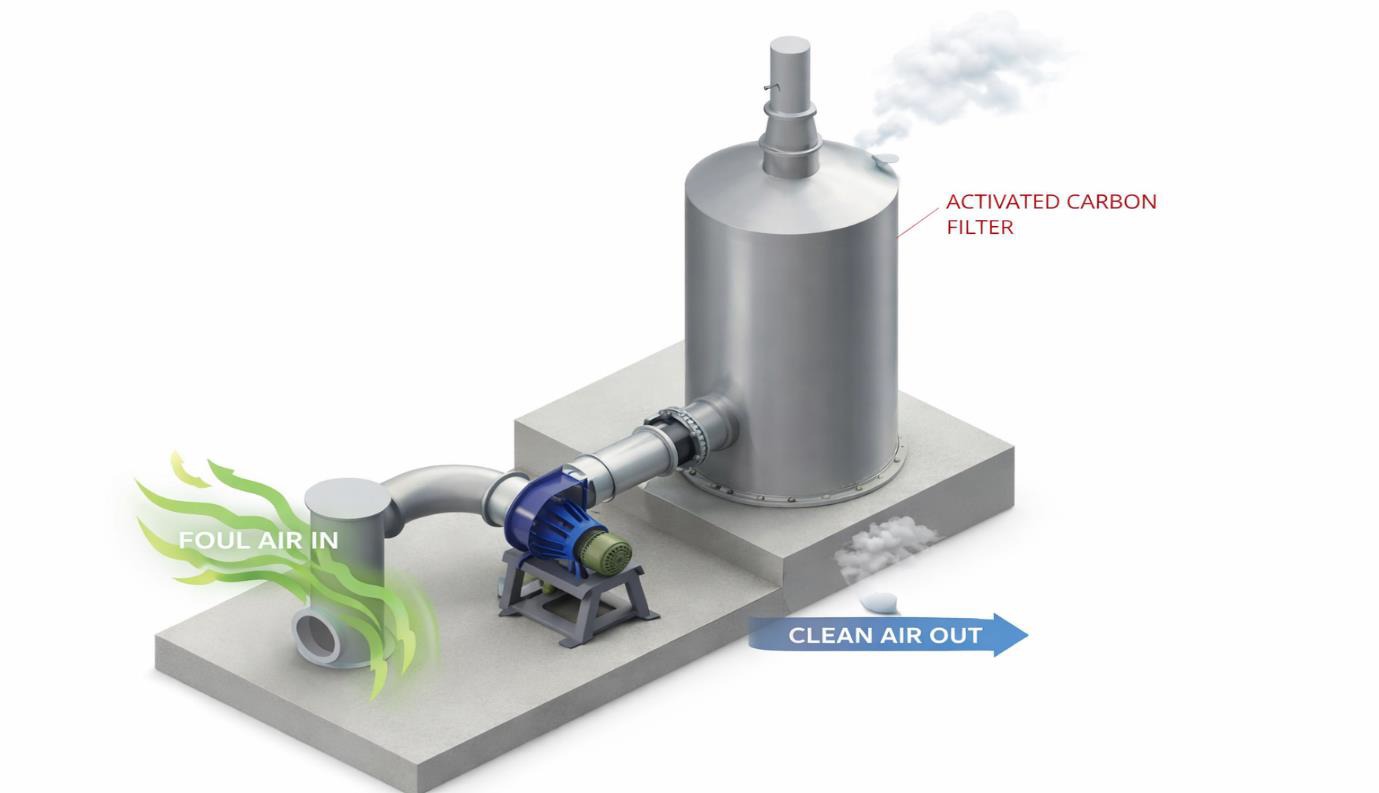
A hotel’s water treatment system should be evaluated before the busiest travel months. Filters, pumps, membranes, dosing equipment and storage arrangements need attention to avoid preventable interruptions.
A reliable water treatment company India can assess the property’s infrastructure and recommend suitable improvements based on source-water quality and operational requirements.
Planned water treatment plant operation & maintenance should include equipment inspections, preventive servicing, water-quality checks and maintenance records. These activities help identify weaknesses before they affect guest services.
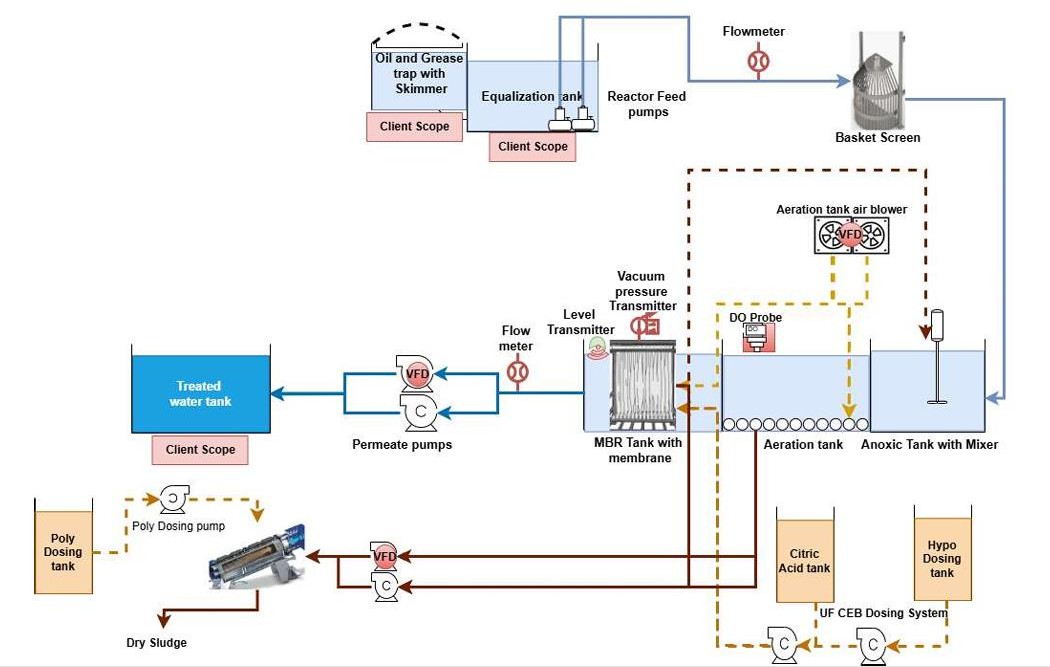
Hotels should also review their wastewater treatment solutions to determine whether treated water can support approved non-potable applications.
Make Treated Water Part of the Seasonal Supply Plan
One of the most practical ways to reduce freshwater pressure is to recover and reuse treated wastewater wherever appropriate.
Depending on treatment quality and local requirements, hotels may use reclaimed water for:
- Landscape irrigation.
- Toilet flushing through separate plumbing networks.
- External area cleaning.
- Other suitable utility applications.
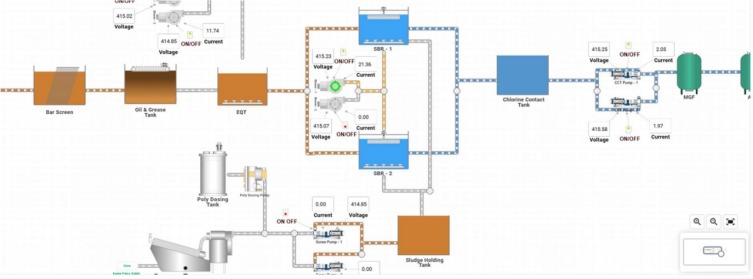
Professional sewage treatment plant services can help maintain the performance of hotel STPs and support consistent treated-water quality.
Properties with specialised wastewater from kitchens, laundry or other operations may also require support from effluent treatment providers to address specific treatment needs.
Advanced zero liquid discharge solutions may be evaluated for hotels with suitable technical and financial conditions. However, ZLD requires careful assessment of energy, space, operating costs and wastewater characteristics before implementation.
Use Real-Time Monitoring to Avoid Last-Minute Problems
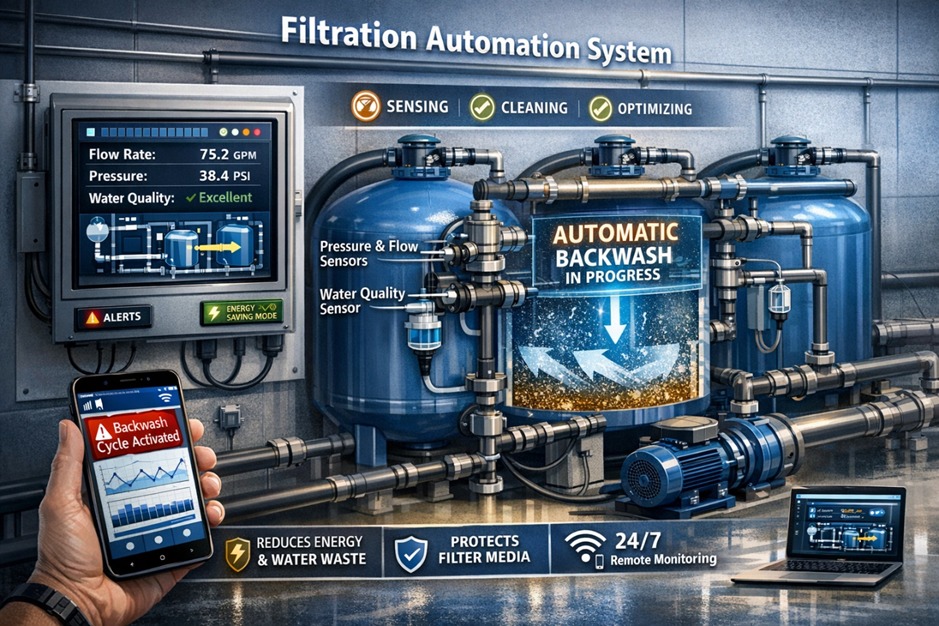
Manual readings may not always reveal unusual water consumption quickly enough during busy periods. Smart water management technology can help hotel engineering teams monitor storage levels, consumption trends and selected equipment conditions.
With suitable IoT water management systems, connected meters and sensors can provide information about tank levels, flow variations and possible leakage. Managers can use this data to investigate abnormal usage and coordinate maintenance more effectively.
For example, an unexpected rise in water consumption in a particular section may indicate a leaking pipeline, faulty flushing system or equipment issue. Early investigation can prevent avoidable losses during high occupancy.
Create a Peak-Season Water Contingency Plan
Even well-maintained systems can face supply disruptions. Hotels should therefore prepare a response plan before the travel season begins.
The plan should identify approved backup water sources, emergency contacts, storage priorities and responsibilities for engineering staff. Management should also define how essential services will receive water if supply becomes limited.
Regular coordination between housekeeping, kitchen, laundry and engineering teams helps avoid conflicting priorities. Staff awareness also matters: reporting leaks quickly and following efficient cleaning practices can reduce unnecessary consumption.
Frequently Asked Questions
1. Why do hotels experience water shortages during peak travel seasons?
Higher occupancy increases demand across guest rooms, laundry, kitchens, housekeeping and recreational facilities. Existing supply and storage arrangements may not be designed for these simultaneous requirements.
2. Can treated wastewater help hotels manage seasonal water demand?
Yes. Properly treated wastewater may be reused for suitable non-potable applications, subject to quality standards and applicable regulations.
3. How can hotels identify hidden water wastage?
Regular meter readings, pipeline inspections and suitable sensor-based monitoring can help identify unusual consumption, leakage and inefficient equipment.
4. When should hotels inspect their water treatment plants?
Hotels should follow a preventive maintenance schedule throughout the year and conduct a readiness assessment before expected high-occupancy periods.
5. Can IoT systems improve hotel water management?
Yes. Suitable IoT systems can help monitor water flow, storage levels and selected equipment conditions, allowing teams to respond more quickly to unusual readings.
Make Water Readiness Part of Hotel Season Planning
Preventing seasonal water shortages requires more than increasing storage or arranging additional tankers. Hotels need a coordinated plan that connects consumption forecasting, treatment capacity, wastewater reuse, preventive maintenance and real-time monitoring.
Enhanced Wapp Systems India Pvt. Ltd. supports water and wastewater management requirements through treatment and operational expertise. A site-specific assessment can help hotels identify infrastructure gaps and prepare a more reliable water-management strategy.
Preparing your hotel for the next peak travel season? Connect Wappsys with water management experts to assess your treatment systems and plan dependable water operations.