

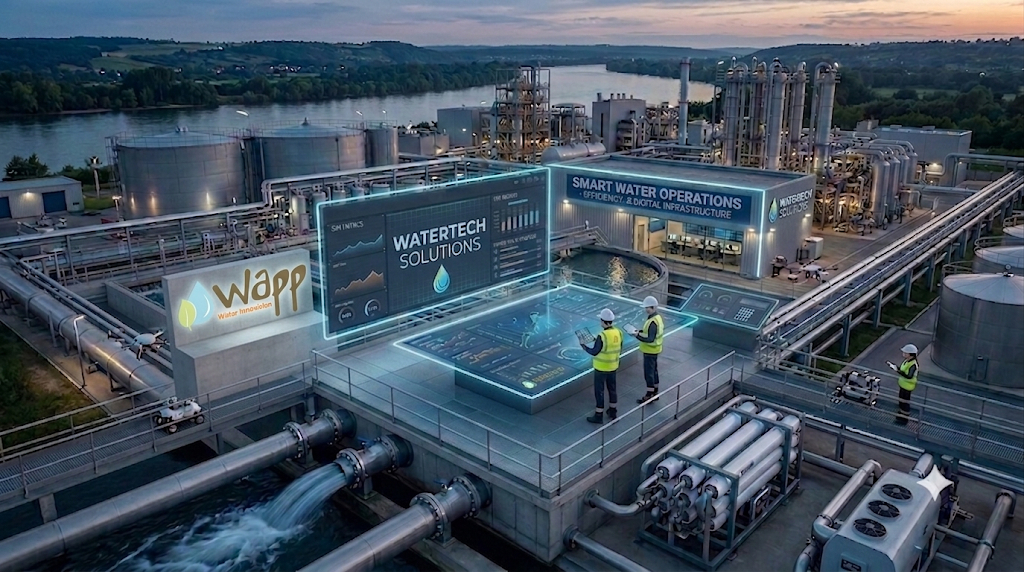
Learn how smart water management technology and effective water treatment plant operation & maintenance improve industrial efficiency and sustainability.
Industrial growth depends on reliable water infrastructure. Facilities that combine efficient water treatment plant operation & maintenance with advanced smart water management technology can reduce operational risks, improve compliance, and achieve better resource efficiency.
The Hidden Cost of Poor Water Operations
Many industries invest in treatment plants but overlook long-term operational performance. Pumps, filtration systems, biological treatment units, and monitoring equipment require continuous optimization. When maintenance becomes reactive instead of preventive, facilities often face higher energy consumption, inconsistent water quality, and unexpected shutdowns.
These operational disruptions affect production schedules, increase maintenance costs, and create compliance challenges.
Why Operation & Maintenance Deserves Strategic Attention?
Effective water treatment plant operation & maintenance involves much more than routine servicing. High-performing facilities focus on:
- preventive inspections,
- process optimization,
- equipment health monitoring,
- calibration of treatment systems,
- and performance benchmarking.
This structured approach improves treatment efficiency and extends equipment lifespan while reducing unplanned downtime.
How Smart Technology Changes Water Management?
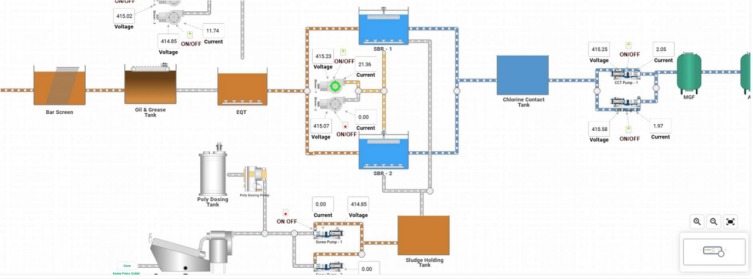
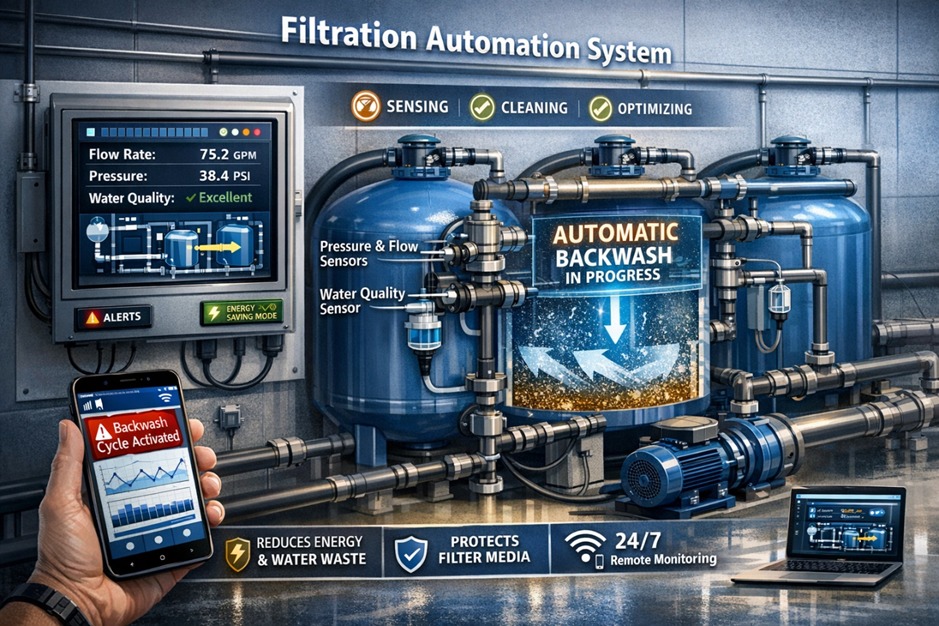
Industries are increasingly adopting smart water management technology to gain real-time visibility into treatment performance and resource consumption.
Smart monitoring systems can track:
- water flow rates,
- pressure variations,
- treatment efficiency,
- energy usage,
- and equipment performance.
By using continuous monitoring, engineering teams can identify abnormalities early and take corrective action before operational failures occur. This proactive model supports better decision-making and improves overall plant reliability.
The Role of Advanced Wastewater Treatment
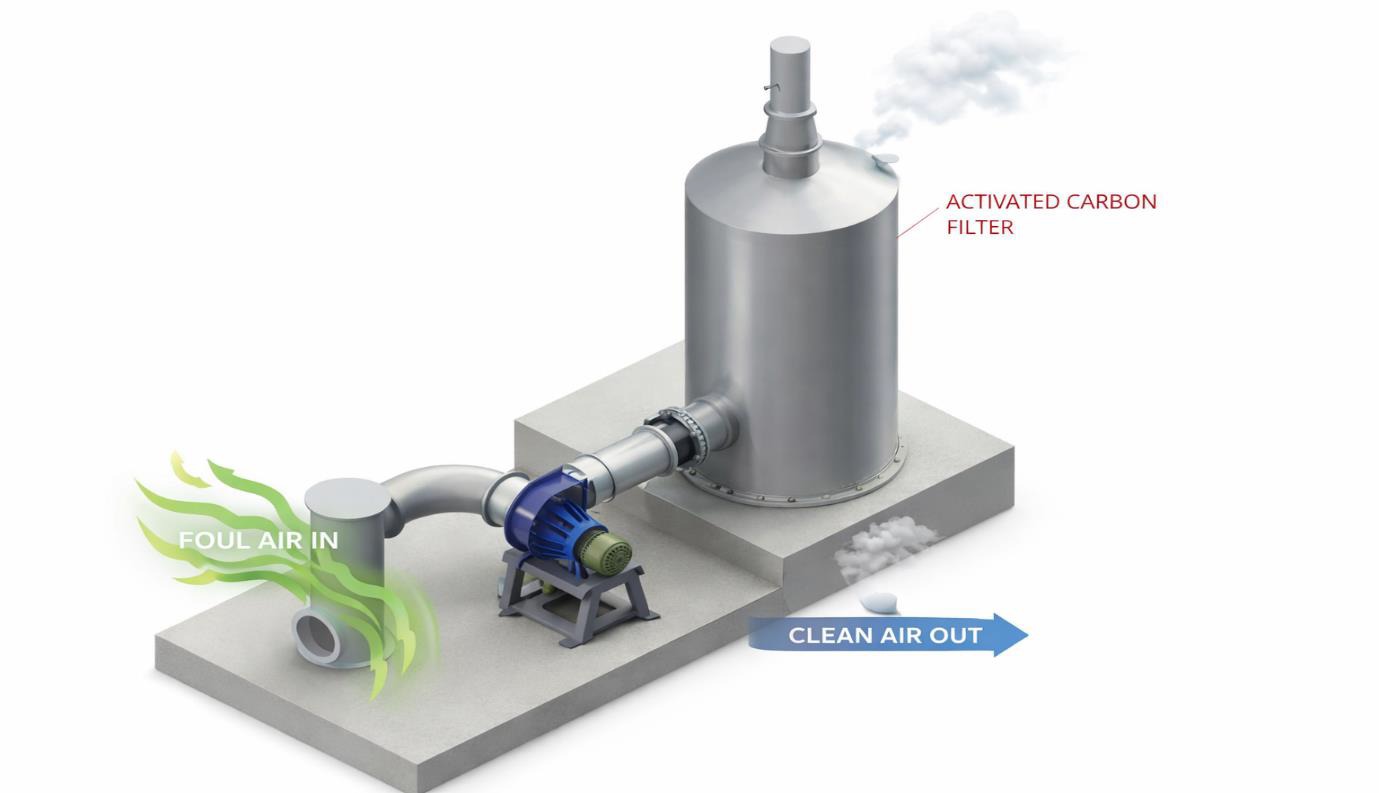
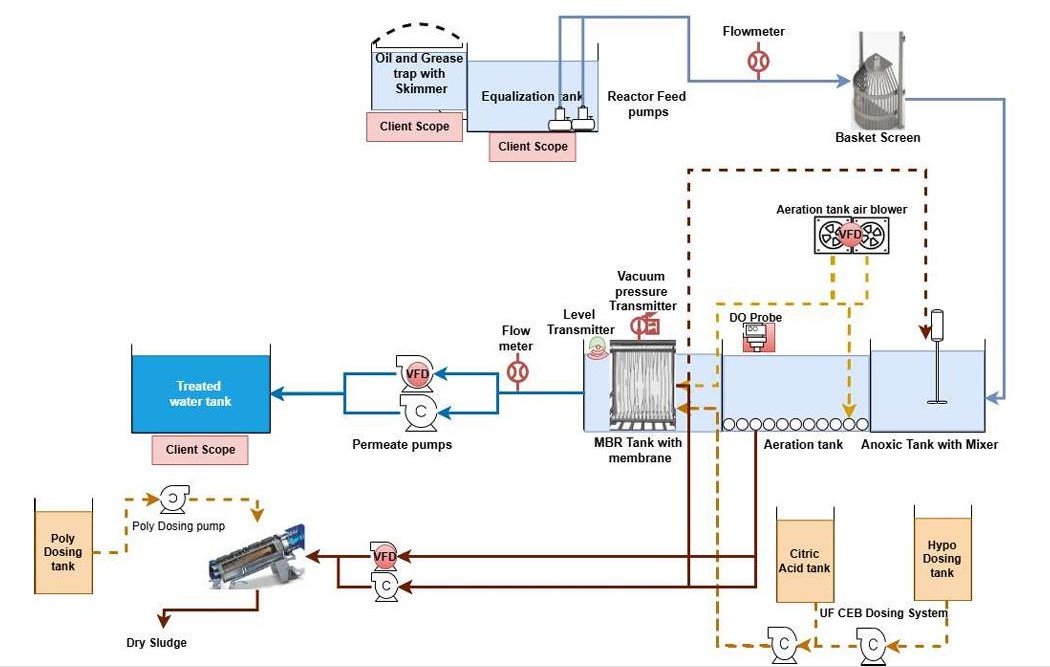
Modern wastewater treatment solutions help industries move beyond basic compliance. Advanced treatment systems improve contaminant removal, support water reuse initiatives, and reduce freshwater dependence.
Industries that integrate recycling and recovery strategies often achieve:
- lower operating costs,
- improved sustainability performance,
- reduced environmental impact,
- and stronger resilience during water scarcity conditions.
Action Plan for Industrial Facilities
Immediate Priorities
- Conduct a comprehensive water system audit.
- Review treatment plant performance data monthly.
- Implement preventive maintenance schedules.
- Install real-time monitoring and alert systems.
- Identify opportunities for wastewater reuse and recovery.
Long-Term Priorities
- Integrate digital monitoring across all water assets.
- Develop a lifecycle maintenance strategy.
- Upgrade aging treatment infrastructure.
- Align water management with ESG and sustainability goals.
Expert Perspective
Future-ready industries will not rely on manual monitoring and reactive maintenance. They will operate connected water systems that combine automation, analytics, predictive maintenance, and advanced treatment technologies into a single operational framework. Organizations that modernize water operations today will be better prepared for future regulatory requirements, resource constraints, and sustainability expectations.
Many industrial facilities collaborate with experienced engineering partners such as Enhanced Wapp Systems India Pvt. Ltd. to implement scalable water management strategies that support operational efficiency and long-term sustainability.
Quick Answers
1. Why is water treatment plant operation & maintenance important?
It ensures reliable treatment performance, reduces equipment failures, and improves long-term operational efficiency.
2. What is smart water management technology?
It uses sensors, automation, and data analytics to monitor and optimize water treatment and distribution systems in real time.
3. How do wastewater treatment solutions support sustainability?
They improve water quality, enable water reuse, reduce freshwater consumption, and minimize environmental impact.
4. What is the biggest operational risk in industrial water systems?
Reactive maintenance is one of the biggest risks because it increases downtime, repair costs, and compliance failures.
Conclusion
Industrial facilities need smarter water operations to remain efficient, compliant, and sustainable. By combining advanced wastewater treatment solutions, reliable water treatment plant operation & maintenance, and modern smart water management technology, businesses can reduce operational risks while improving resource efficiency. Companies seeking future-ready water infrastructure often work with Enhanced Wapp Systems India Pvt. Ltd. to develop integrated strategies that support sustainable industrial growth.