


Discover how waste water recycling technology and zero liquid discharge solutions help food industries reduce water costs and improve compliance.
Food and beverage industries can significantly reduce water consumption and operational costs by adopting advanced recycling technologies, efficient treatment plant management, and sustainable wastewater practices. A well-planned water strategy also strengthens environmental compliance and business continuity.
Why Has Water Efficiency Become a Business Priority?
Food processing facilities consume large volumes of water during washing, processing, cleaning, cooling, packaging, and sanitation. Every production cycle generates wastewater that requires treatment before discharge or reuse. As water availability becomes more challenging and environmental regulations continue to evolve, industries need smarter approaches to manage this valuable resource.
Companies that invest in sustainable water infrastructure today are better prepared for future operational and regulatory challenges.
A Modern Water Management Strategy
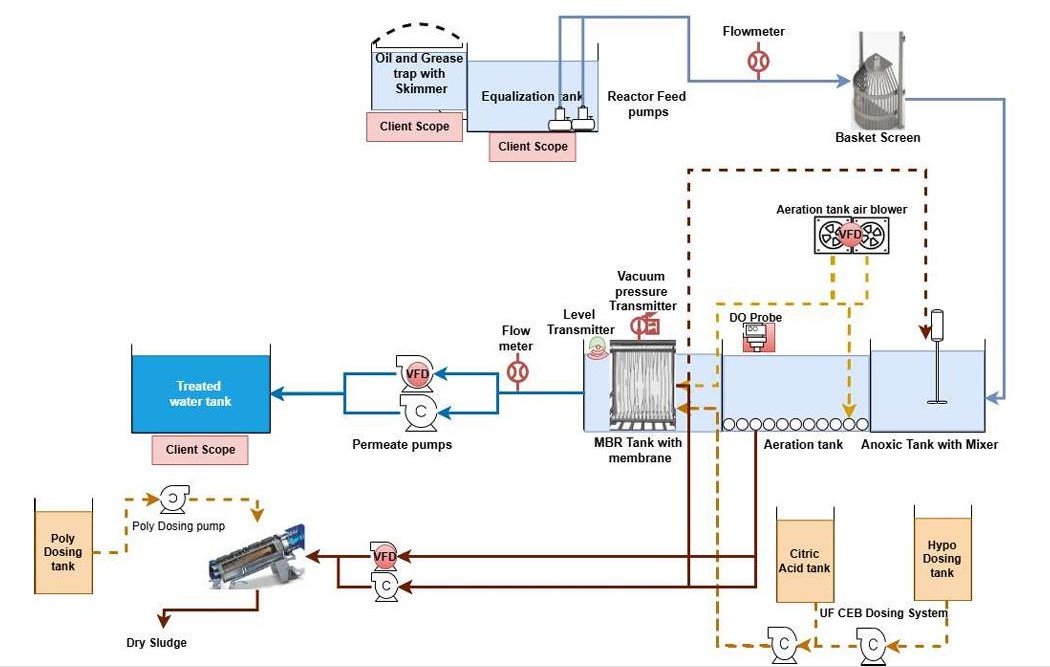
Instead of viewing wastewater as a disposal problem, progressive industries treat it as a reusable resource. Advanced waste water recycling technology helps recover treated water for utility operations, cooling systems, floor cleaning, and landscape irrigation wherever regulations permit. This approach reduces freshwater dependence while improving overall resource efficiency.
Many organizations also implement zero liquid discharge solutions to maximize water recovery and minimize liquid waste. These systems help industries strengthen sustainability goals while reducing environmental impact.
Operational Excellence Drives Long-Term Performance
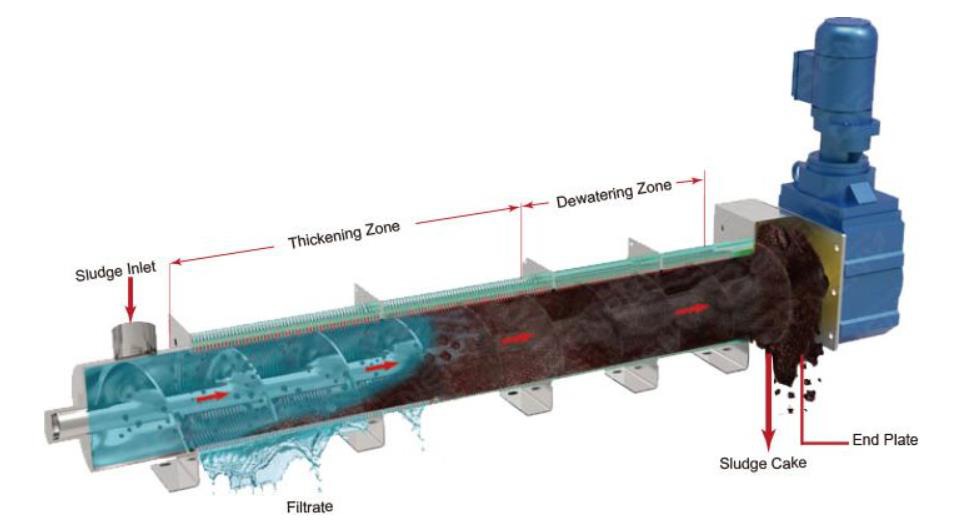
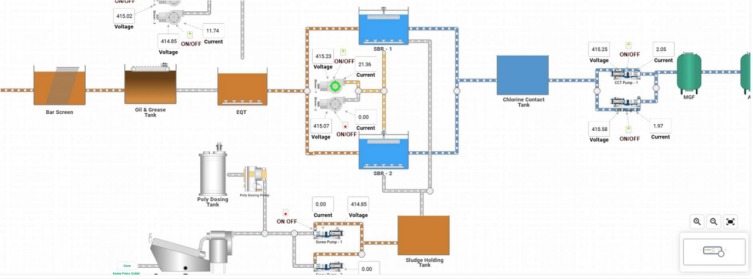
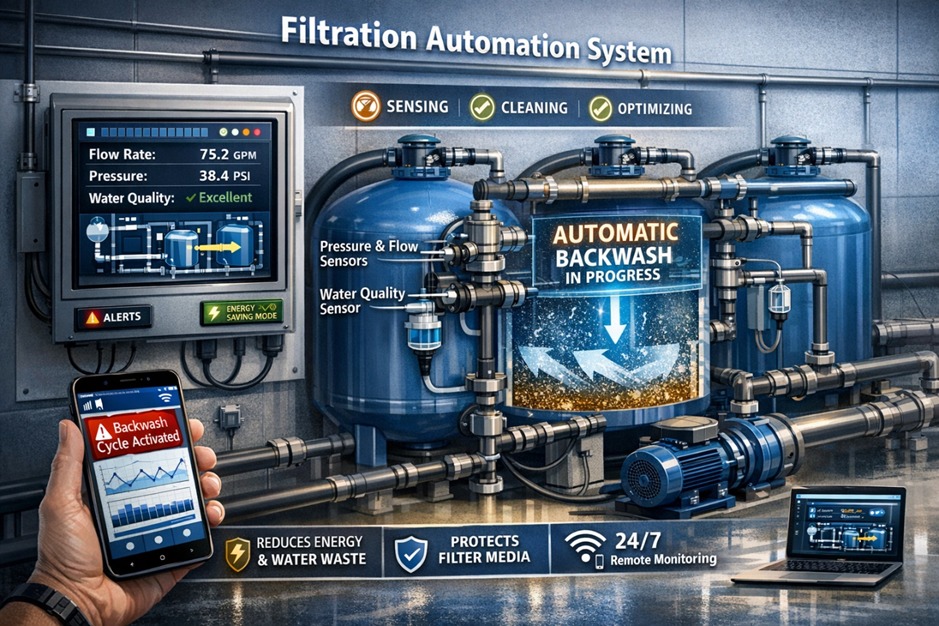
Technology alone cannot guarantee efficient treatment performance. Reliable water treatment plant operation & maintenance ensures that pumps, filtration units, biological treatment systems, and monitoring equipment continue performing at optimum levels.
Routine inspections, preventive servicing, and process optimization reduce downtime while improving treatment efficiency. Experienced effluent treatment plant providers also support industries by optimizing treatment processes, improving compliance, and adapting systems as production requirements change.
Expert Recommendation
Organizations searching for a dependable water treatment company India should evaluate engineering expertise, lifecycle support, water recycling capability, regulatory knowledge, and long-term operational guidance instead of focusing only on installation costs.
Engineering partners that provide complete water management strategies help industries improve operational reliability while preparing for future sustainability requirements. Many industries work with Enhanced Wapp Systems India Pvt. Ltd. to develop customized water treatment solutions that support efficient operations and responsible water management.
Key Takeaways
- Recover and reuse treated water whenever possible.
- Schedule preventive maintenance instead of reactive repairs.
- Review treatment performance regularly.
- Adopt water recycling technologies to reduce freshwater demand.
- Plan long-term water strategies instead of short-term fixes.
Frequently Asked Questions-
1. Why is waste water recycling technology important for food industries?
It reduces freshwater consumption, lowers operating costs, and supports sustainable manufacturing practices.
2. What are zero liquid discharge solutions?
These systems recover reusable water while minimizing wastewater discharge and helping industries meet environmental goals.
3. Why is water treatment plant operation & maintenance essential?
Regular maintenance improves plant efficiency, reduces equipment failures, and ensures consistent treatment performance.
4. How do effluent treatment providers help industries?
They design, optimize, monitor, and maintain treatment systems to improve operational efficiency and regulatory compliance.
Conclusion
Water sustainability is becoming a competitive advantage for food processing industries. Businesses that combine waste water recycling technology, effective water treatment plant operation & maintenance, experienced effluent treatment providers, and advanced zero liquid discharge solutions can improve operational efficiency while reducing environmental impact. Choosing an experienced water treatment company India helps organizations build resilient water infrastructure that supports sustainable industrial growth.