




Discover how healthcare water treatment, sewage treatment plant services, and smart water management technology support modern hospital expansion.
Healthcare infrastructure across India is expanding rapidly through new hospitals, specialty care centers, cancer institutes, medical colleges, and multi-specialty healthcare campuses. While medical technology receives significant attention during expansion, water infrastructure often determines whether a healthcare facility can operate safely, efficiently, and sustainably for decades.
Planning water systems during the design stage helps hospitals reduce future operational risks, improve compliance, and support uninterrupted patient care.
Every Hospital Expansion Requires a Long-Term Water Strategy
Adding new patient beds, laboratories, operation theatres, dialysis units, and diagnostic facilities increases daily water demand considerably. A treatment system designed only for current requirements may struggle as healthcare services expand.
Therefore, healthcare planners increasingly rely on water management consulting India to estimate future water demand, evaluate treatment capacity, and prepare infrastructure that remains reliable throughout the facility’s lifecycle. Strategic planning also reduces costly retrofitting projects after hospital operations begin.
Building Reliable Water Infrastructure from Day One
Modern water treatment for hospitals extends beyond supplying clean water. Healthcare facilities require integrated systems capable of maintaining water quality across laboratories, sterilization units, HVAC systems, kitchens, laundries, and patient care areas.
Advanced healthcare water treatment solutions support consistent water quality while helping engineering teams maintain operational efficiency under varying demand conditions. Hospitals that integrate digital monitoring into infrastructure planning often achieve stronger operational resilience.
Why Intelligent Treatment Systems Matter?
Current wastewater treatment innovation trends encourage healthcare facilities to move from reactive maintenance toward predictive operations.
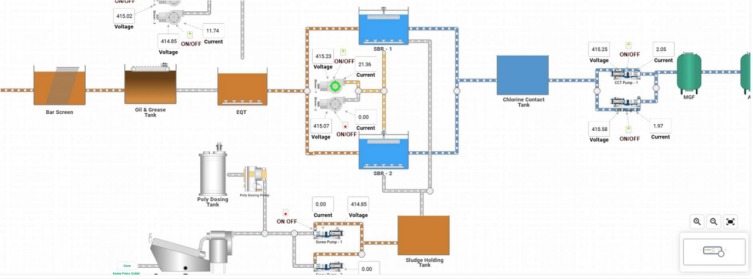
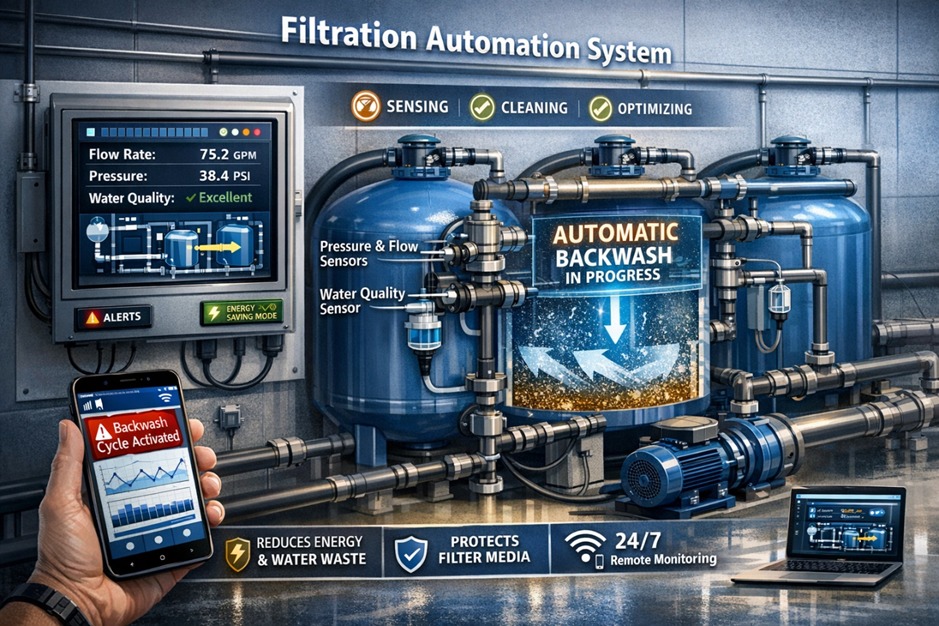
Using smart water management technology, engineering teams can monitor treatment performance, storage capacity, equipment health, and water quality continuously. Real-time information supports faster maintenance decisions and improves overall system reliability. This approach also strengthens environmental reporting and operational transparency.
Designing Wastewater Systems for Future Healthcare Needs
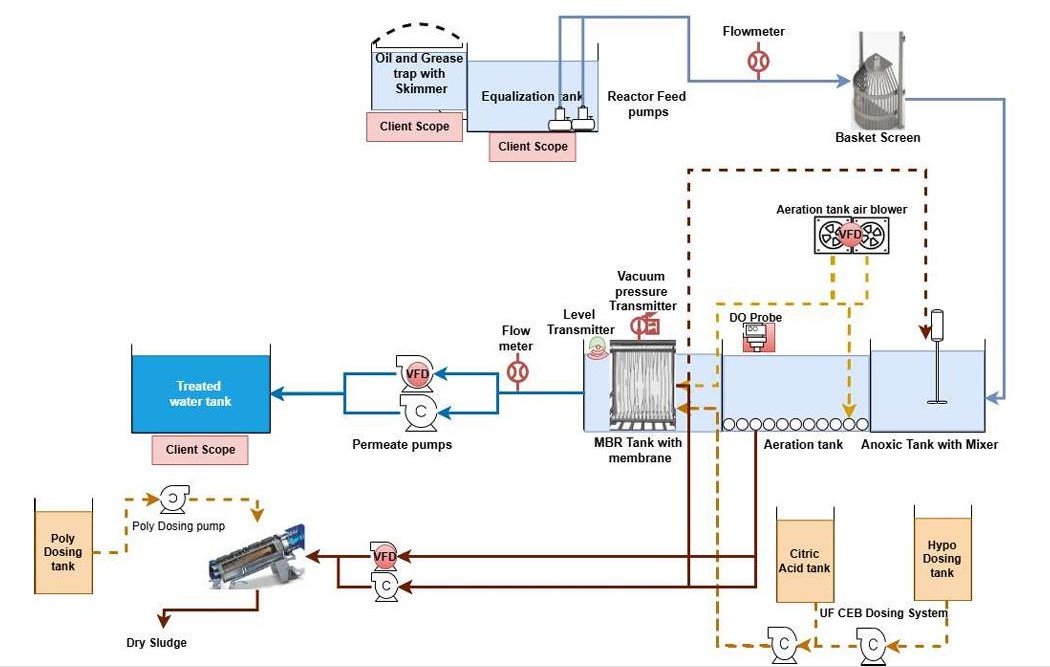
Hospital wastewater requires specialized treatment because it contains laboratory discharge, disinfectants, pharmaceuticals, and domestic wastewater. Reliable sewage treatment systems for hospitals combined with professional sewage treatment plant services help healthcare organizations manage complex wastewater safely and consistently.
Many healthcare campuses are also adopting zero liquid discharge solutions to recover treated water for approved utility applications while reducing freshwater dependence and minimizing environmental discharge. These strategies reflect emerging healthcare sewage treatment practices that prioritize sustainability alongside regulatory compliance.
What Should Healthcare Decision-Makers Evaluate?
Before selecting a water management partner, healthcare organizations should consider:
- Experience with healthcare infrastructure projects
- Knowledge of hospital-specific treatment requirements
- Capability to implement smart monitoring systems
- Expertise in water recycling and sustainability
- Long-term technical support and operational guidance
Organizations often work with Enhanced Wapp Systems India Pvt Ltd and Enhanced Wapp Systems to develop scalable water strategies that align with expanding healthcare infrastructure and future operational requirements.
Frequently Asked Questions
1. Why should hospitals plan water infrastructure before expansion?
Early planning ensures treatment capacity supports future patient loads, regulatory requirements, and long-term operational efficiency.
2. How does smart water management technology improve hospital infrastructure?
It provides continuous monitoring, improves maintenance planning, and enhances treatment reliability.
3. Why are sewage treatment systems for hospitals different?
Hospital wastewater contains specialized contaminants that require dedicated treatment processes before discharge or reuse.
4. What are zero liquid discharge solutions?
These systems recover reusable water while minimizing wastewater discharge and supporting sustainability goals.
Conclusion
Hospital expansion requires more than additional buildings and medical equipment. Sustainable healthcare infrastructure depends on intelligent planning, reliable treatment systems, and long-term operational resilience. By integrating water treatment for hospitals, healthcare water treatment, smart water management technology, sewage treatment systems for hospitals, sewage treatment plant services, zero liquid discharge solutions, and expert water management consulting India, healthcare organizations can build facilities prepared for future healthcare demands. Choosing experienced specialists such as Enhanced Wapp Systems India Pvt Ltd helps healthcare providers create resilient water infrastructure that supports patient care, environmental responsibility, and sustainable growth.