

Check whether your hotel STP operates efficiently with practical checks for treatment quality, equipment performance, sludge handling and water reuse. Get expert guidance.
An STP Can Be Running Without Performing at Its Best
A hotel sewage treatment plant may appear operational because its pumps are running and water is moving through the treatment stages. But visible activity does not necessarily indicate effective treatment.
Changes in guest occupancy, kitchen discharge, laundry loads and housekeeping schedules can affect the wastewater entering the plant. If operators do not adjust plant management to these variations, treatment performance may become inconsistent.
For facility managers, the real question is whether the STP consistently handles the hotel’s wastewater load, produces suitable treated water and operates without avoidable resource losses.
Check What Enters the Treatment Plant
Hotel wastewater is not always consistent. A busy banquet event, a full restaurant or increased laundry activity can change the volume and characteristics of incoming wastewater. Facility teams should review inlet conditions rather than relying only on the plant’s original design capacity.
Pay attention to:
- Sudden changes in incoming wastewater volume.
- Grease and food residues entering drainage lines.
- Excessive detergent discharge from laundry operations.
- Unusual colour, odour or visible solids in incoming wastewater.
- Variations between normal occupancy and high-occupancy periods.
These observations help operators understand whether changes in hotel activities are affecting the treatment process.
Evaluate the Performance of Individual Treatment Stages
An STP contains several connected processes, and a problem in one stage can affect the overall result. Facility managers should review the performance of each section instead of judging the plant only by its final discharge.
Important inspection areas include:
- Screening: Check whether screens are clean and remove incoming solid waste effectively.
- Equalisation: Review whether wastewater flow is being balanced before further treatment.
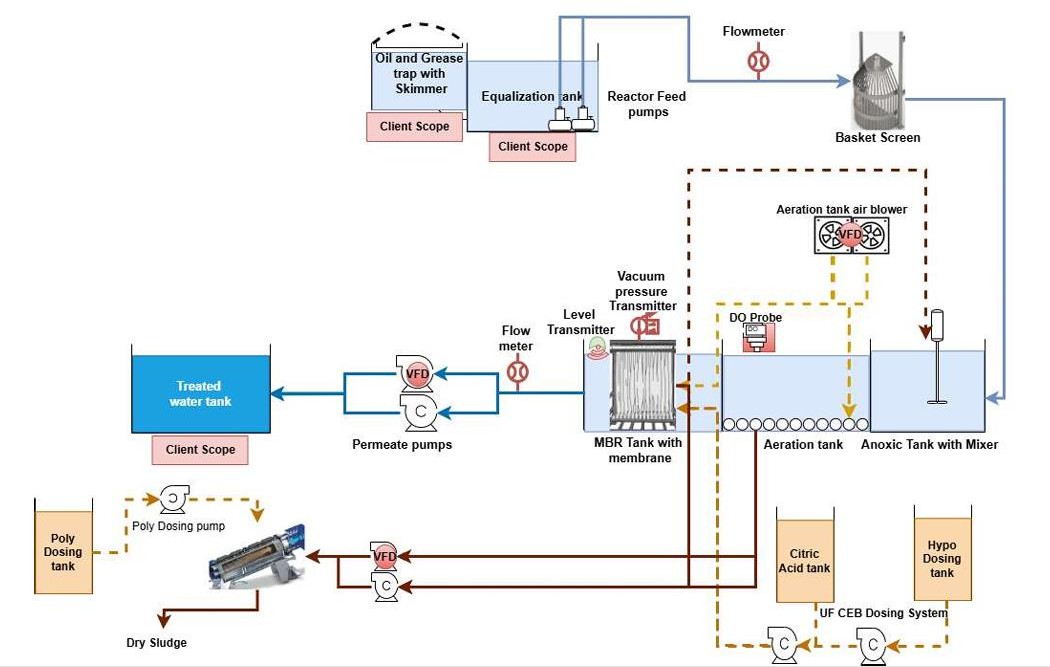
- Aeration: Inspect blowers, diffusers and other equipment responsible for supplying air.
- Clarification: Observe settling conditions and check for unusual solids carryover.
- Filtration and disinfection: Confirm that these processes operate according to the plant design and required treated-water quality.
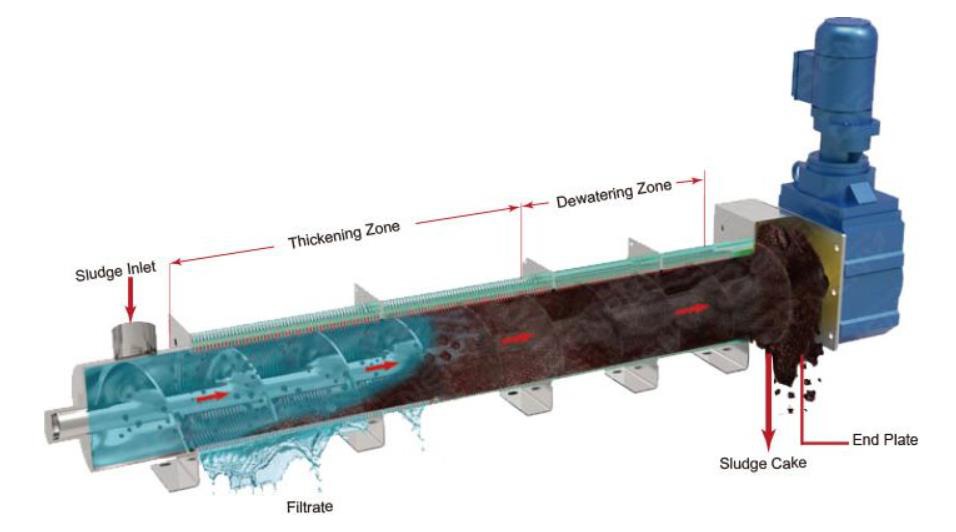
- Sludge management: Review sludge accumulation, removal schedules and handling records.
Regular testing should confirm whether treated water meets the applicable requirements for its intended discharge or reuse.
Look Beyond Electricity Bills When Reviewing Efficiency
A plant that consumes excessive energy or requires frequent corrective maintenance may be operating inefficiently, even when treatment results appear acceptable. Facility managers should compare electricity consumption, chemical usage, equipment downtime and maintenance expenses over time.
A structured water treatment plant operation & maintenance programme helps identify recurring problems before they become expensive breakdowns. Working with a technically capable water treatment company India can also help hotels review plant capacity, operating practices and improvement opportunities.
Use Operational Data to Understand Performance Changes
Hotel engineering teams often manage several systems simultaneously. Manual inspections may not always reveal gradual changes in water consumption or equipment behaviour.
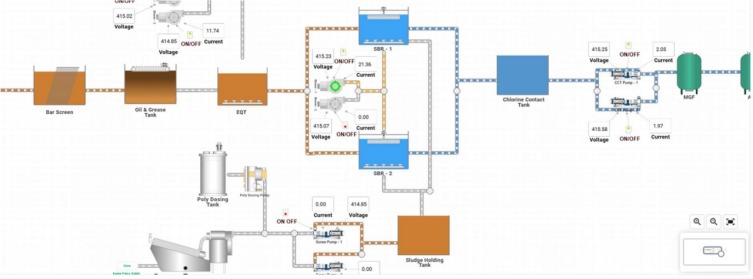
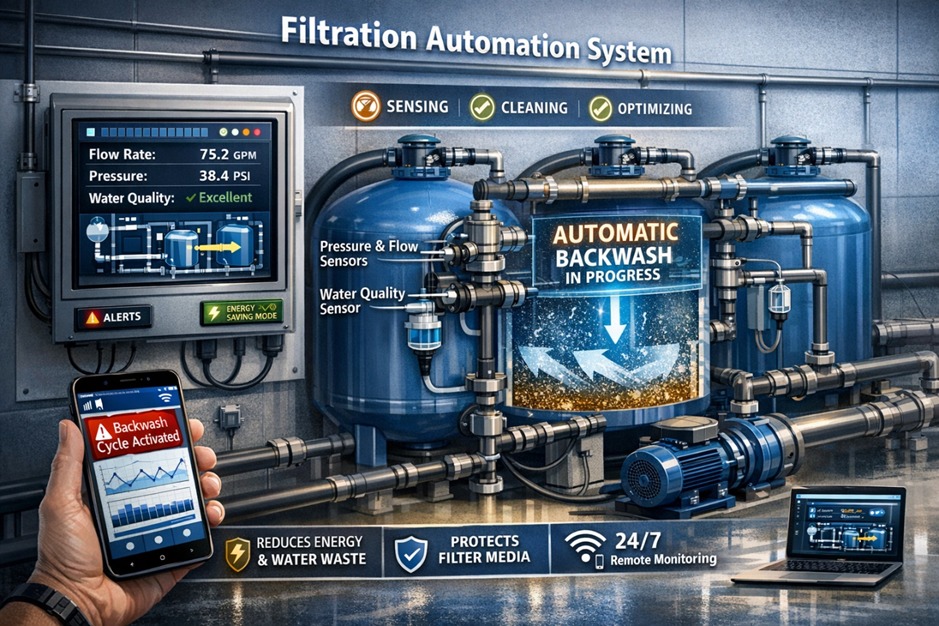
Smart water management technology can improve visibility into selected plant and distribution conditions. Suitable IoT water management systems may help monitor flow rates, tank levels, pump status and other measurable operating parameters.
For example, repeated changes in wastewater flow can help operators investigate whether occupancy patterns or particular hotel departments are affecting the treatment plant. Digital monitoring should complement regular sampling, physical inspections and operator expertise. It cannot replace laboratory testing or proper process control.
Review Whether Treated Water Is Being Put to Suitable Use
An efficiently managed hotel STP should also support responsible water-resource planning.
Depending on treatment quality and applicable requirements, recovered water may be suitable for applications such as gardening, toilet flushing through separate plumbing networks and selected cleaning activities. Hotels should assess whether their existing wastewater treatment solutions support these applications safely and consistently.
Professional sewage treatment plant services can help maintain system performance, while specialised effluent treatment providers may be required for additional wastewater streams generated by certain hotel operations. Some larger properties may also consider zero liquid discharge solutions after evaluating technical feasibility, water recovery potential, energy requirements and operating costs.
Frequently Asked Questions
1. How can a hotel facility manager identify an inefficient STP?
Warning signs include inconsistent treated-water quality, frequent equipment breakdowns, excessive energy consumption, unusual odour, poor sludge management and repeated maintenance issues.
2. Does hotel occupancy affect STP performance?
Yes. Changes in guest numbers, restaurant activity, laundry volume and other services can influence wastewater flow and characteristics.
3. How often should a hotel STP be inspected?
Inspection frequency should follow the plant design, operating conditions, equipment recommendations and applicable requirements. A documented preventive maintenance schedule is essential.
4. Can treated STP water reduce a hotel’s freshwater consumption?
Yes. Properly treated water may replace freshwater for suitable non-potable uses, provided it meets the required quality standards.
5. Can automated monitoring improve STP operations?
Suitable monitoring systems can help identify unusual flow, tank-level changes and equipment conditions. Operators must still conduct inspections and verify treatment quality through appropriate testing.
Make STP Performance a Measurable Part of Hotel Operations
Hotel STP efficiency should be evaluated through treatment quality, process stability, equipment condition, resource consumption and maintenance records. A plant that receives regular technical attention is better positioned to handle changing hotel wastewater loads.
Enhanced Wapp Systems India Pvt. Ltd. supports water and wastewater management requirements through treatment and operational expertise. A site-specific assessment can help hotel facility teams identify operational gaps and improve their treatment strategy.
Unsure whether your hotel’s STP is performing efficiently? Connect with water management experts to review your plant’s operating conditions and maintenance requirements.