
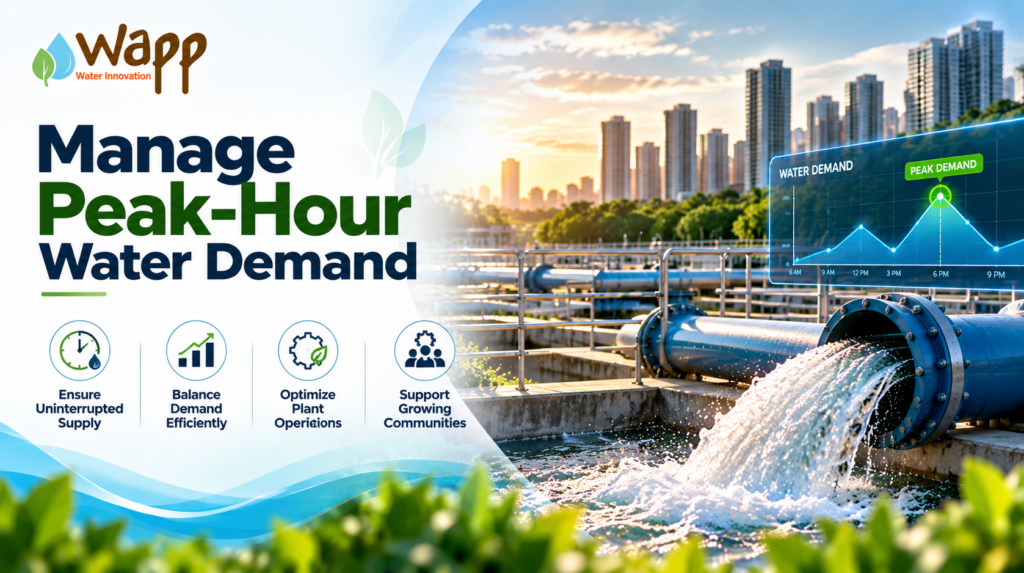
Explore how housing societies can balance peak-hour water demand with smart monitoring, efficient treatment and reuse. Connect with water management experts today.
Why Does Water Demand Rise at Certain Hours?
Housing societies often experience sharp changes in water consumption during mornings and evenings. Residents use water simultaneously for bathing, cooking, laundry, cleaning and other daily activities. This creates pressure on storage tanks, pumps, pipelines and treatment facilities.
Managing these fluctuations requires more than increasing the daily water supply. Societies need a coordinated approach that considers consumption patterns, storage capacity, distribution schedules and wastewater recovery. A well-planned system helps residential communities maintain a reliable water supply without unnecessary pumping or wastage.
Managing Peak Demand Starts with Better Distribution
The first step is to understand when and where water consumption increases. Facility managers can review tank levels, pump operating hours and consumption records to identify recurring pressure points.
Practical improvements include:
- Reviewing consumption patterns: Compare morning, afternoon and evening usage to identify high-demand periods.
- Checking overhead and underground tanks: Maintain suitable storage levels before expected peak hours.
- Balancing pump schedules: Avoid unnecessary simultaneous pumping that can increase energy consumption.
- Inspecting distribution pipelines: Address leakage, pressure differences and faulty valves.
- Monitoring common facilities: Review water use in gardens, clubhouses, cleaning areas and other shared spaces.
These measures help societies distribute available water more consistently across residential blocks.
How Smart Technology Improves Residential Water Management?
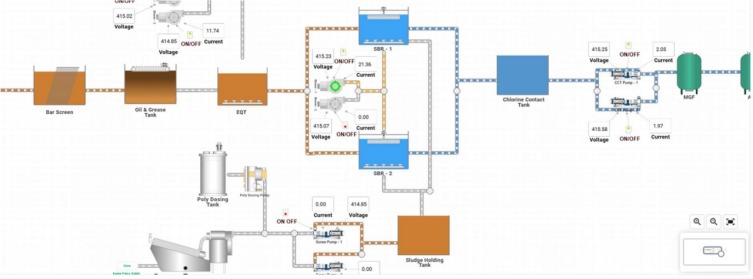
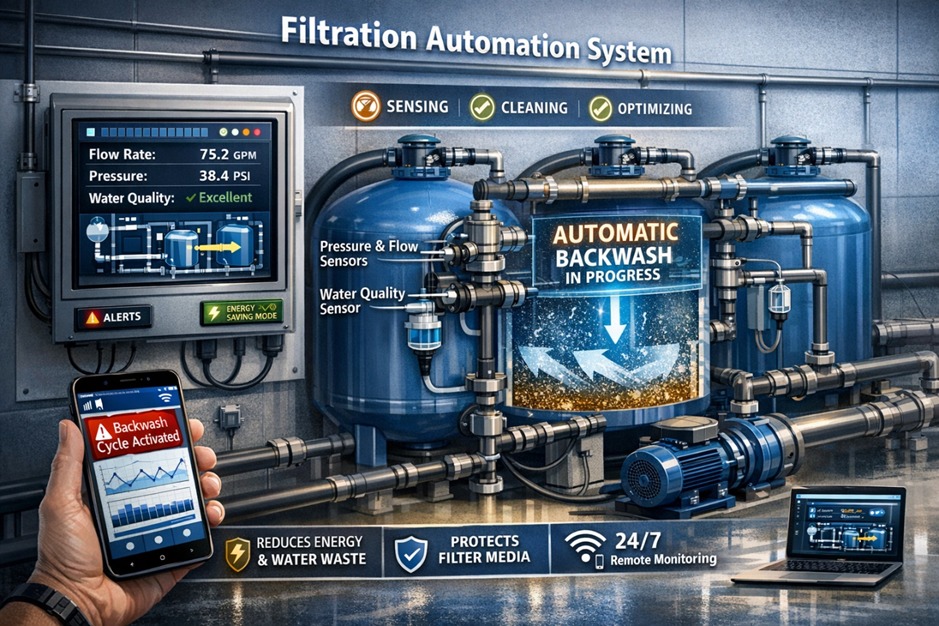
Smart water management technology gives facility teams better visibility into daily consumption. Instead of relying only on manual readings, societies can use connected meters, level sensors and automated monitoring systems.
Modern IoT water management systems can help track tank levels, detect unusual consumption and identify possible leakage. These insights allow maintenance teams to respond before minor problems affect the entire community.
For example, if one residential block shows unusually high consumption during early morning hours, managers can investigate possible pipeline leakage or inefficient fixtures. A reliable water treatment company India can also help assess monitoring requirements and recommend suitable systems for residential infrastructure.
Wastewater Reuse Can Reduce Freshwater Pressure
Peak-hour demand becomes easier to manage when societies reduce their dependence on fresh water for every activity.
Treated wastewater can support suitable non-potable applications, subject to treatment quality and applicable requirements. Common reuse opportunities include:
- Landscape irrigation.
- Toilet flushing through separate plumbing networks.
- Common-area cleaning.
- Other approved utility applications.
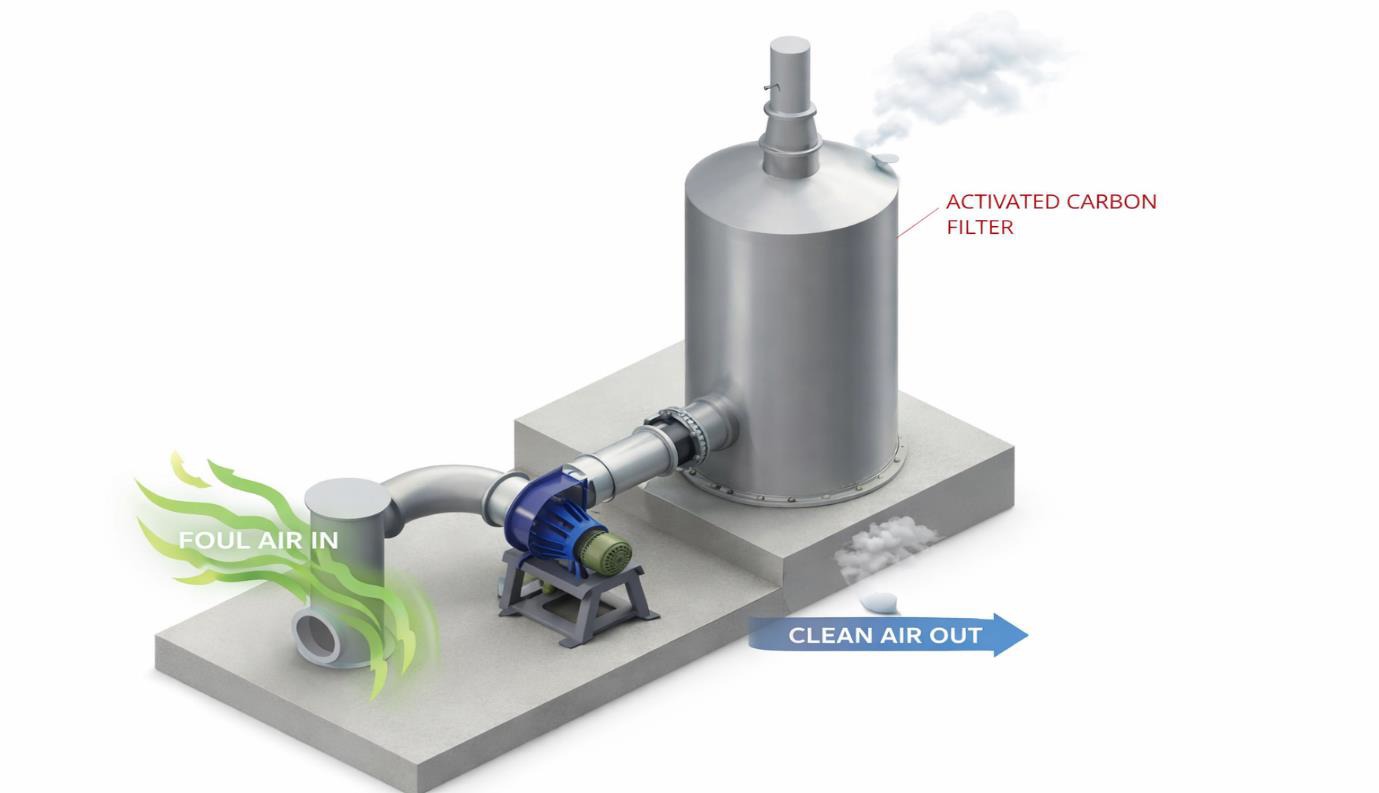
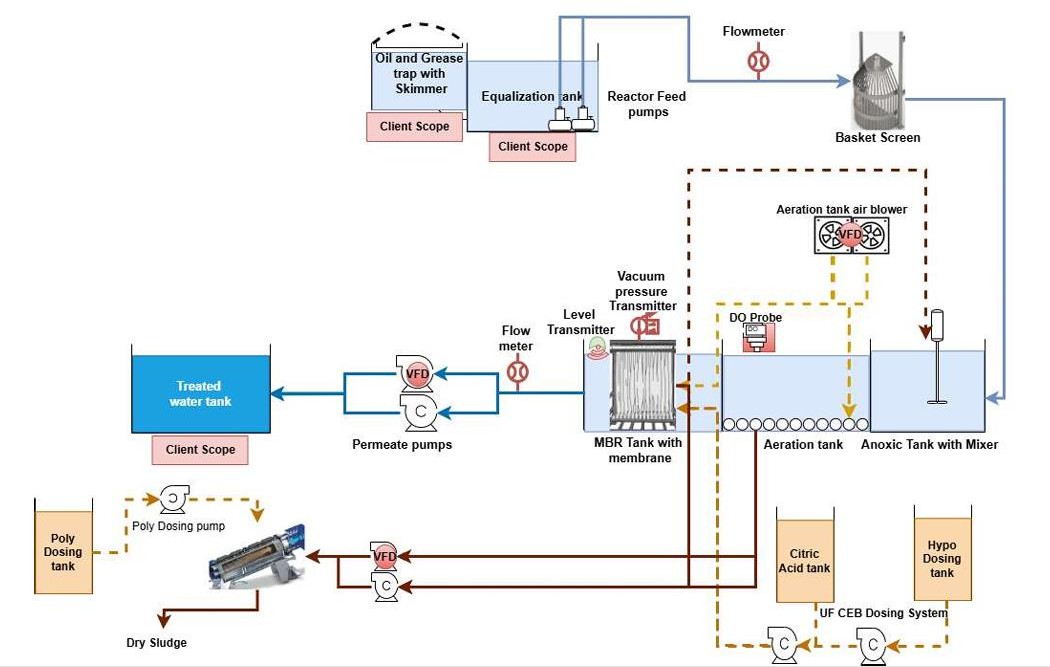
Effective wastewater treatment solutions depend on the quality of incoming sewage, treatment capacity and the intended reuse purpose. Professional sewage treatment plant services help societies maintain treatment performance and manage operational requirements.
Where applicable, effluent treatment providers can also support communities with specialised wastewater streams from commercial or shared facilities.
Why Regular Plant Maintenance Matters?
Even a well-designed system can struggle when equipment receives inadequate maintenance. Consistent water treatment plant operation & maintenance helps keep pumps, filters, treatment units, sensors and control panels working as intended. Housing societies should establish maintenance schedules, maintain operating records and investigate repeated variations in water quality or supply pressure.
For larger communities, suitable zero liquid discharge solutions may also be evaluated where site conditions, technical feasibility and project economics support such an approach. These systems require careful assessment rather than a one-size-fits-all installation.
Building a More Reliable Water Plan for Residential Communities
Peak-hour water management is not simply about storing more water. It involves understanding consumption, improving distribution, monitoring infrastructure and making treated water available for suitable reuse.
Enhanced Wapp Systems India Pvt. Ltd. supports water management requirements through treatment, operational and maintenance-focused solutions. With the right technical assessment, housing societies can strengthen their water infrastructure and improve long-term resource management.
Planning to improve water distribution or treatment performance in your housing society? Connect with water management experts to assess your requirements and identify a suitable solution.